
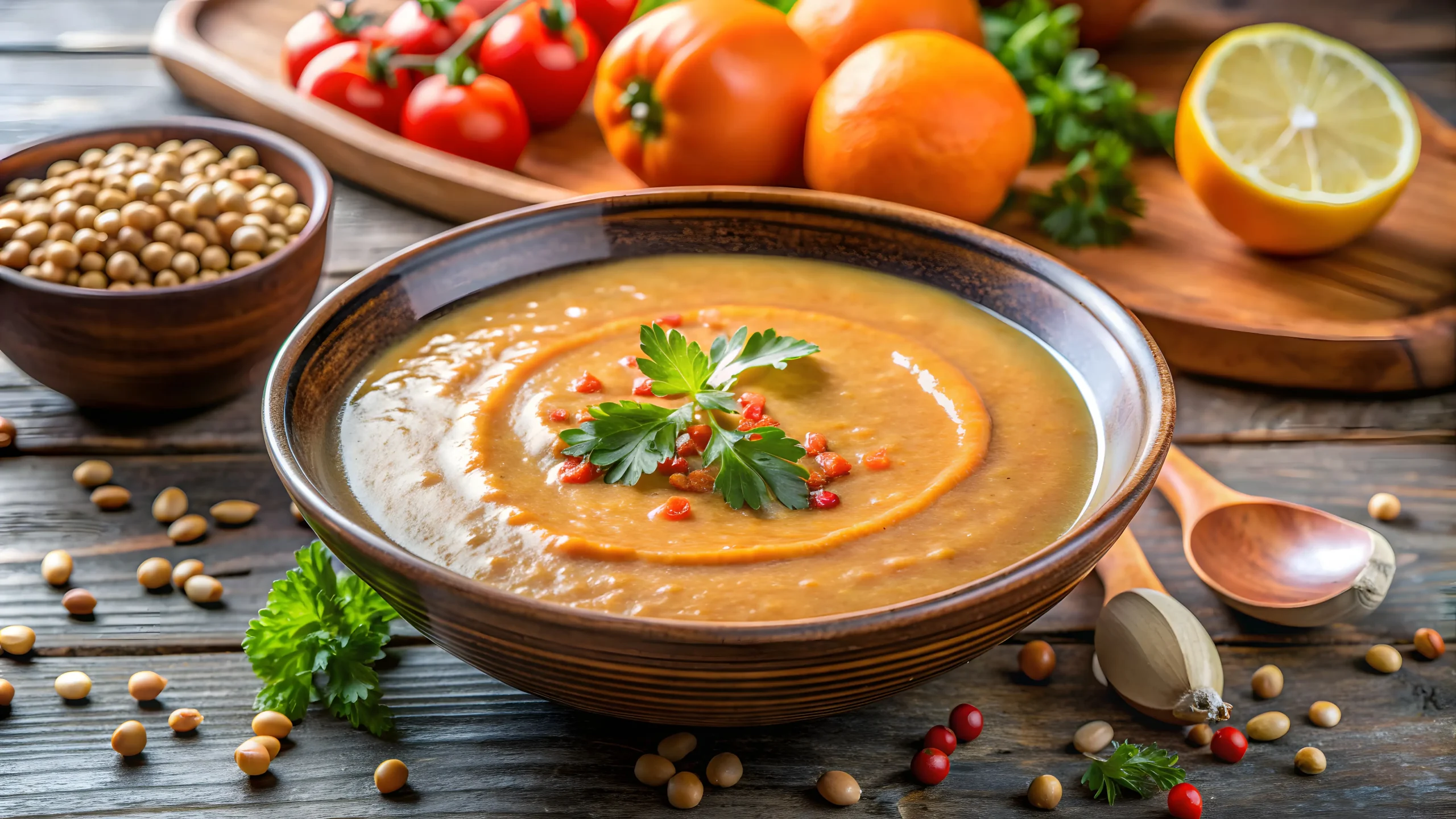
During Ramadan, the moment of breaking the fast is never rushed. After a full day without food or drink, the first few minutes of Iftar are approached with care. In many Egyptian homes and hotels, that moment begins the same way, with a warm bowl of Lentil Soup.
It is one of the most familiar dishes on the Ramadan table. Simple, comforting, and deeply rooted in tradition, lentil soup is often the first taste of the evening.
A dish with a long history
Lentils are among the oldest cultivated foods in the world, with origins tracing back thousands of years across the Middle East and parts of Asia. Over time, lentil-based dishes became part of everyday cooking in many cultures, evolving into different variations depending on local ingredients and preferences.
Today, lentil soup is found across the region, from the Levant to North Africa, but no two versions are exactly the same.
One dish, many interpretations
What makes lentil soup especially interesting is how much it changes from one place to another—and even from one household to the next.
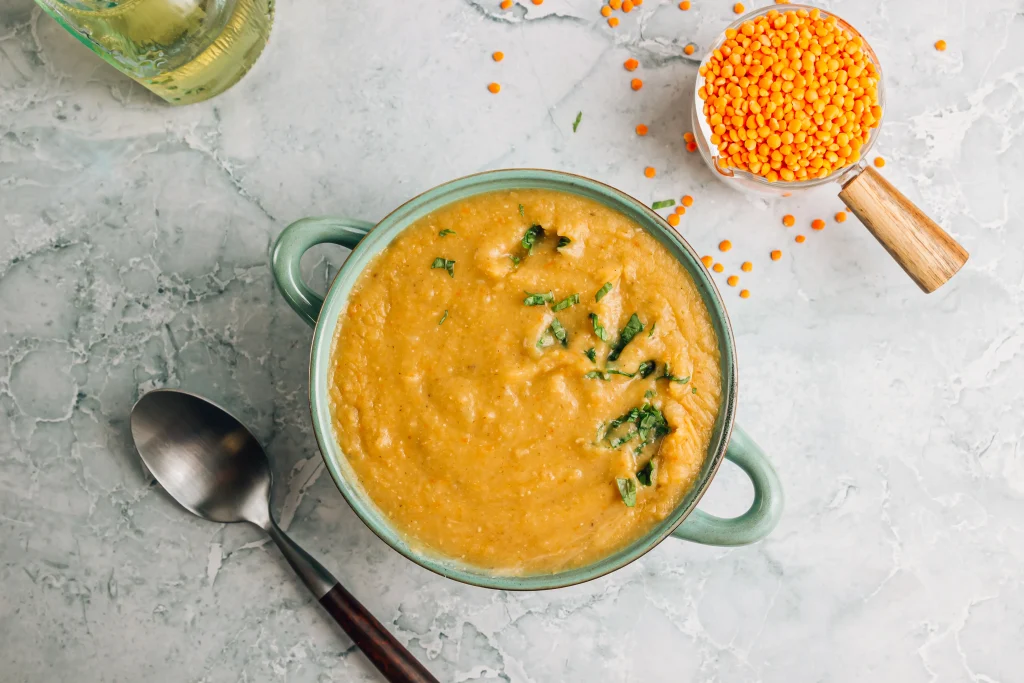
In Egypt, the soup is typically smooth, blended, and mildly spiced. It often includes red lentils, onions, carrots, garlic, and cumin, creating a warm, balanced flavor that feels familiar to most guests. It is usually served thick, with a squeeze of lemon on the side.
In countries like Turkey, lentil soup (mercimek çorbası) can be slightly lighter in texture and may include different seasoning profiles. In the Levant, some versions remain unblended, allowing the texture of the lentils and vegetables to remain more visible.
Even within Egypt, families have their own variations. Some add potatoes for a thicker consistency, others increase the cumin for a stronger flavor, and some prefer a smoother texture while others leave it slightly coarse. These small differences are what make the dish feel personal.
Simple ingredients, real impact
Part of the beauty of lentil soup is that it relies on ingredients that are both accessible and practical.
At its core, the recipe includes:
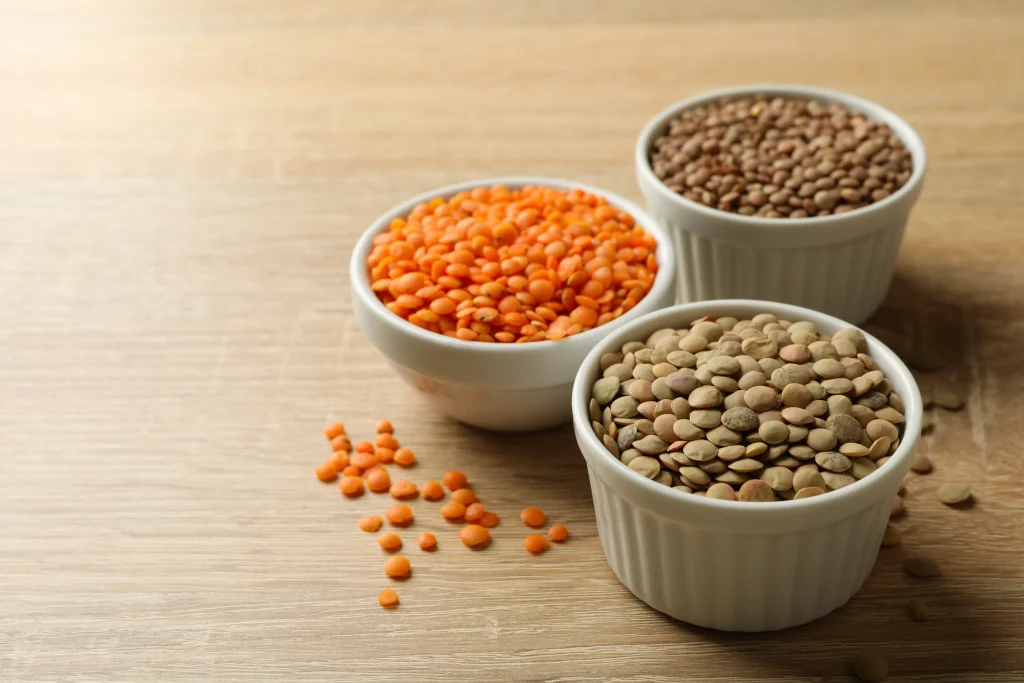
- Red lentils
- Onion and garlic
- Carrots (and sometimes potatoes)
- Stock or water
- Olive oil
- Cumin and basic seasoning
Each ingredient has a role. Lentils provide the body of the soup, vegetables add natural sweetness, and cumin gives it its recognizable warmth. Olive oil helps bring everything together, especially when the base is prepared properly.
In professional kitchens, these ingredients are scaled up significantly, but the principle remains the same: keep it simple, and execute it well.
Preparation process
From raw ingredients to finished dish
The preparation of lentil soup follows a clear and structured process:
1. Preparation of ingredients
Vegetables are cleaned, peeled, and cut into uniform pieces. This ensures even cooking.
2. Building the base
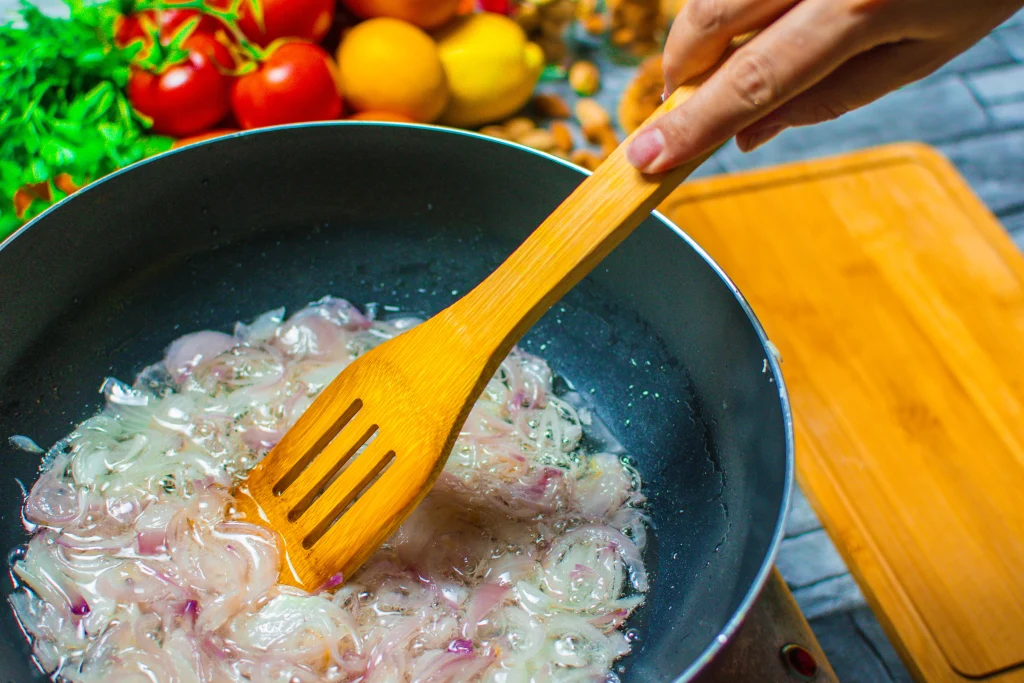
Onions and garlic are gently sautéed in الزيت الزيتون (olive oil) to create depth of flavor.
3. Cooking the lentils
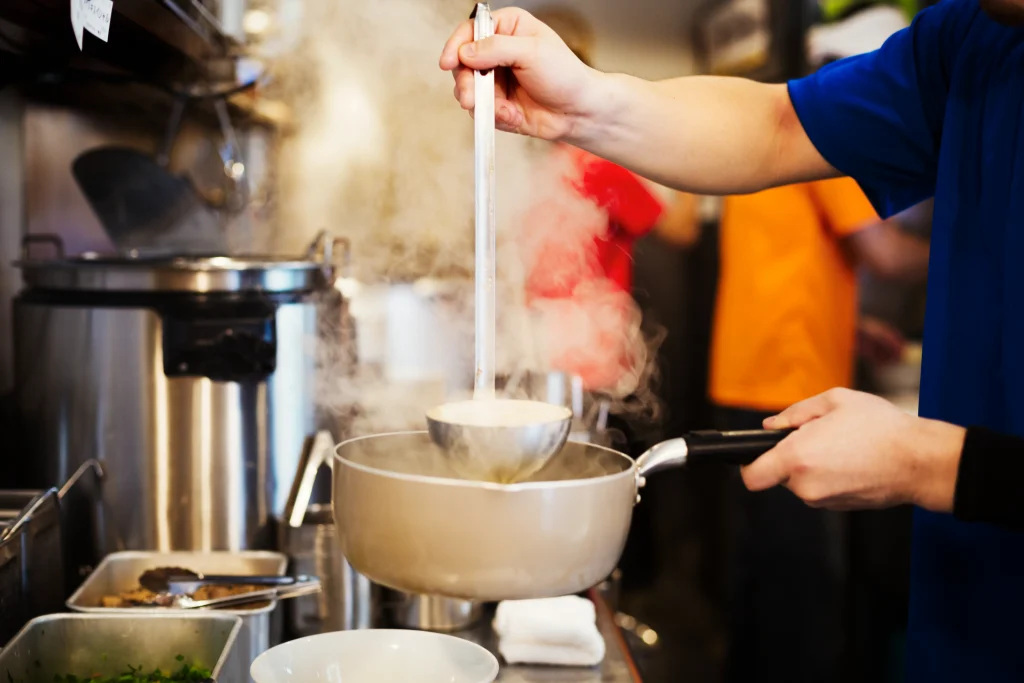
Lentils, vegetables, and stock are added together and left to simmer until soft.
4. Blending and finishing
The soup is blended to achieve a smooth texture, then seasoned carefully.
Timing and consistency are important. In a hotel setting, the soup must be ready for service exactly at Iftar time.
Service and presentation
In hospitality, even simple dishes require attention to presentation. Lentil soup is typically served:
- Hot and freshly prepared
- Garnished lightly (herbs or lemon)
- In clean, uniform portions
The goal is to maintain both quality and consistency, especially when serving large numbers of guests.
Learning through traditional dishes
For students at the German Hotel School, preparing traditional Ramadan dishes provides valuable insight.
It teaches:
- Large-scale food preparation
- Timing and coordination
- The importance of cultural awareness in menu design
A reflection of hospitality values
Lentil soup may appear simple, but it represents something essential in hospitality, understanding the guest.
During Ramadan, this understanding becomes even more important. Food is not only nourishment; it is part of a meaningful daily moment.
Preparing and serving it with care reflects the true spirit of hospitality.
Are you interested in more (Ramadan) recipes?
Discover more about our community and events by following us on Instagram