
Easter traditions in hospitality are not just about decoration or seasonal menus. They reflect cultural expectations that shape how guests experience a hotel — from the food they choose to the atmosphere they expect.
In a destination like Egypt, this becomes especially relevant. International Easter traditions intersect with local celebrations such as Sham El-Nessim, creating a unique mix of expectations that hospitality professionals must understand.
In international destinations like Hurghada, this mix becomes especially visible. European families, local visitors, and international travelers each engage with Easter differently, shaping how hotels approach food, timing, and atmosphere.
This article explores the traditions behind Easter and how they translate into expectations within hospitality environments.
Cultural Differences in Easter Traditions
Easter traditions vary significantly across regions, and these differences directly influence guest expectations in hospitality. In Western Europe, Easter is often associated with family gatherings, brunch buffets, and symbolic elements such as eggs and spring-themed decorations. In Eastern Europe, the focus tends to be more religious, with traditions centered around church celebrations and specific festive foods.
Understanding Easter traditions in hospitality in the Egyptian context
Tradition as a shared experience
In Egypt, Easter is primarily observed by Coptic Christians, often marked by the conclusion of fasting periods and followed by family celebrations. Shortly after, Sham El-Nessim brings people together across all backgrounds to celebrate the arrival of spring.
This overlap creates a unique dynamic in hospitality. Hotels and restaurants are not serving one type of guest, but a wide range of visitors with different expectations, traditions, and preferences.
This balance is an essential part of professional hospitality practice.
Guest expectations during the Easter period
Creating a sense of occasion
During this time, guests expect more than standard service. They look for an environment that reflects the season.
This can be expressed through:
- Light, spring-inspired décor
- Outdoor seating where possible
- A relaxed and welcoming atmosphere
In Egypt, the shift toward outdoor spaces becomes especially important as the weather encourages open-air experiences.
Family and social gatherings
Easter and Sham El-Nessim are both strongly connected to family and social life. Guests often visit in groups, expecting spaces that allow them to spend extended time together.
Hospitality providers can respond by offering:
- Flexible seating arrangements
- Shared dining options
- Comfortable, open spaces
Creating an environment where guests feel at ease is key to a successful experience.
The role of food in seasonal hospitality
From tradition to modern service
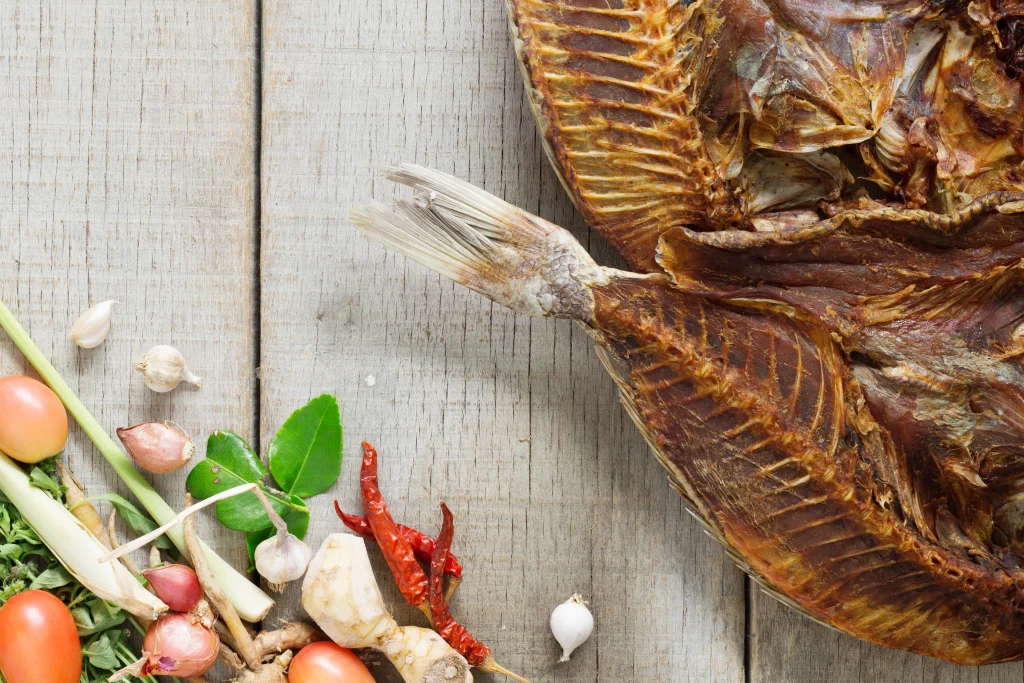
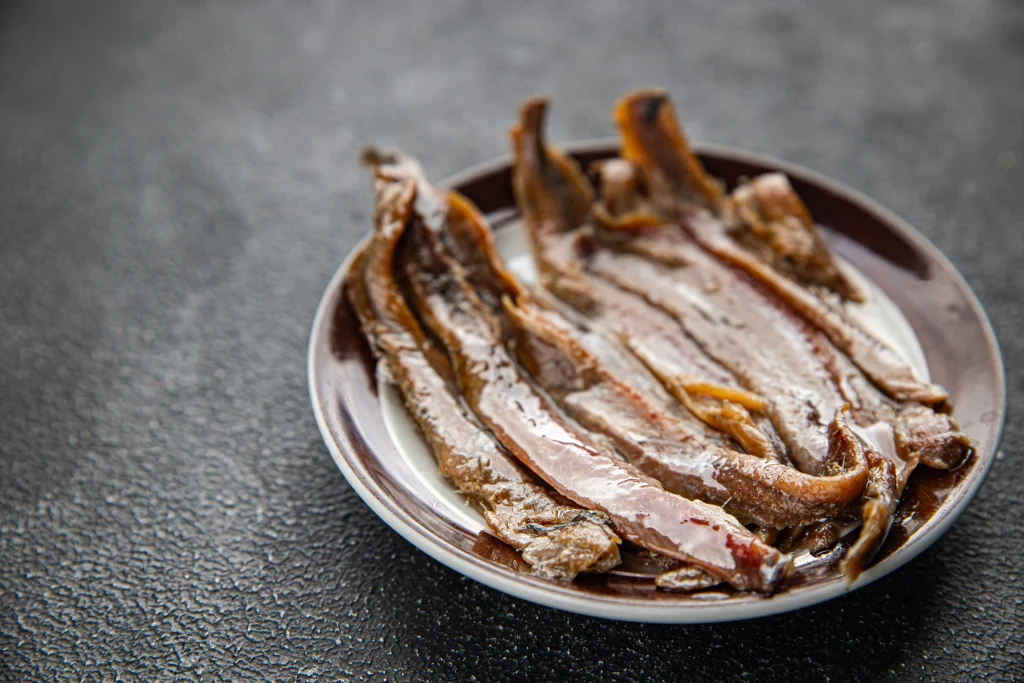
Food plays a central role during this period. In Egypt, Sham El-Nessim is traditionally associated with specific foods such as Feseekh and Ringa, often served alongside fresh vegetables.
At the same time, hotels and restaurants may offer more international Easter-inspired menus. This creates an opportunity to combine:
- Local culinary traditions
- International influences
- Modern presentation techniques
The result is a dining experience that feels both familiar and refined. A real merge of Easter traditions in hospitality.
A season of opportunity for Easter traditions in hospitality
Balancing diversity and service
This period highlights the importance of flexibility in hospitality. Guests may arrive with different expectations, shaped by culture, religion, or personal preference.
For professionals, success lies in the ability to:
- Recognize these differences
- Adapt service accordingly
- Maintain consistency in quality
These are essential skills in any international hospitality environment.
Learning through seasonal experience
At the German Hotel School, understanding seasonal demand in a local and global context is part of the learning journey.
Easter in Egypt provides a valuable example of how hospitality connects tradition, culture, and service. It shows how professionals must respond not only to the season, but also to the people within it.
A step toward professional awareness
Understanding Easter traditions in hospitality is not about following a fixed formula. It is about recognizing the cultural context behind guest expectations and translating that into meaningful experiences.
For hospitality professionals, this understanding is what turns a seasonal moment into a well-designed guest experience.
Discover more about our community and events by following us on Instagram