Easter experiences in hospitality. Easter comes to life through experience. It is not defined by tradition alone, but by how guests move through a space, what they see first, and how they interact with food, service, and atmosphere.
From buffet layouts to timing and presentation, every detail contributes to how the moment is felt. A well-designed Easter setup guides guests naturally, from arrival to plate, without confusion or congestion.
In destinations such as Hurghada and El Gouna, where guest profiles are diverse, this becomes even more important.
When a stay becomes something more
During this time of year, guest behavior naturally shifts. Many families travel together, often choosing to spend more time within the hotel rather than outside it. Parents look for ways to keep children engaged, while still enjoying their own time to relax. At the same time, couples and individual travelers may be seeking a quieter, more seasonal atmosphere, something that reflects the occasion without overwhelming it.
This is where hospitality begins to evolve. It is no longer just about what is offered, but how it is experienced.
A simple activity, if done well, can shape the entire memory of a stay.
Designing the Guest Flow
Successful Easter experiences in hospitality begin with movement. Guests should intuitively understand where to go, how to approach the buffet, and how to navigate the space without hesitation. Clear layout, logical food placement, and visual cues all contribute to a smooth flow.
Poor flow leads to congestion, long waiting times, and frustration, regardless of how good the food is.
Translating Easter traditions into Easter experiences in hospitality
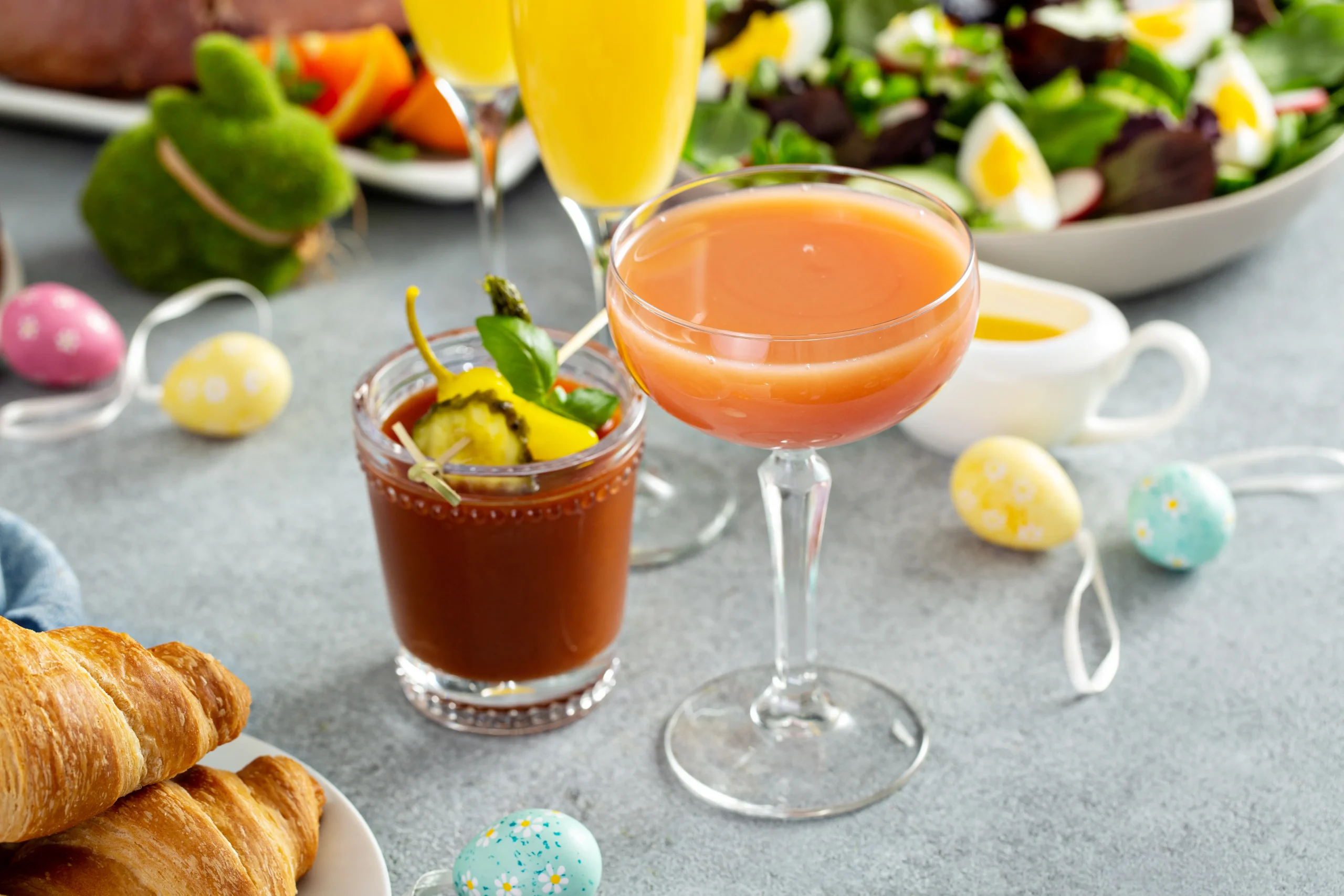
Hospitality is not about copying traditions directly, but about translating them into something guests can experience. Elements such as seasonal ingredients, familiar dishes, and visual cues should feel recognizable while still fitting within the hotel environment.
1. The quiet planning behind simple moments
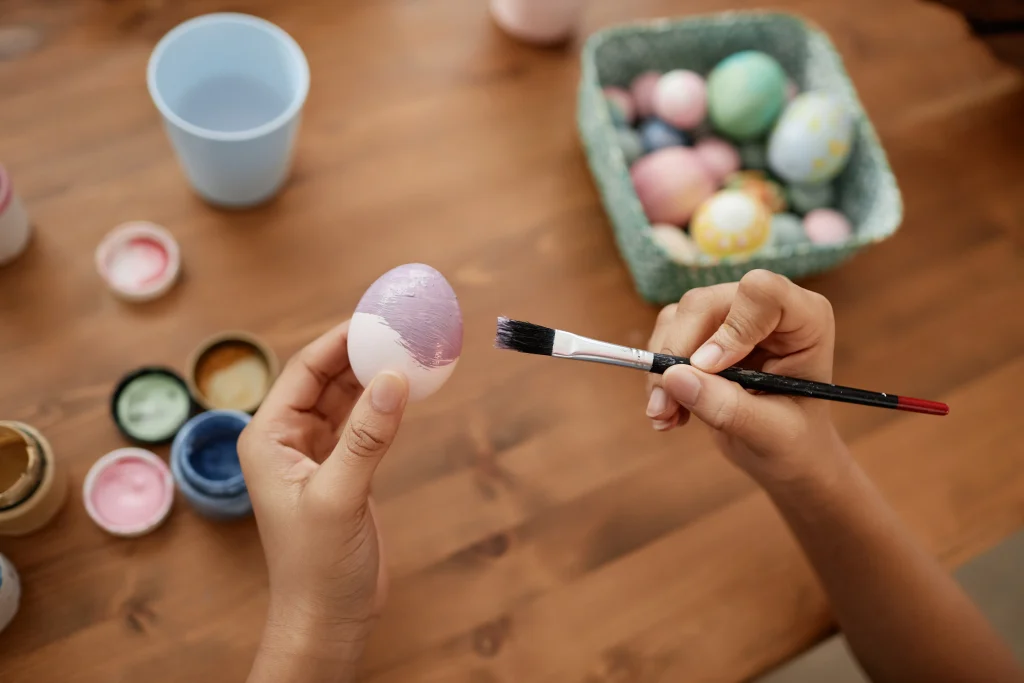
Some of the most recognizable Easter activities, like egg hunts or small creative workshops, appear effortless to guests. Children run across gardens, families gather for photos, and everything feels spontaneous.
In reality, these moments are carefully planned.
Spaces need to be selected and prepared. Timing must be coordinated so that activities do not overlap or feel rushed. Staff must be present, not only to guide the experience but to ensure that it remains safe and enjoyable for all age groups.
In Egypt, these activities often blend naturally into the spirit of Sham El-Nessim. Outdoor games, shared meals, and relaxed gatherings extend the experience beyond Easter itself, creating a full seasonal atmosphere rather than a single-day event.
2. Understanding different guest needs
Not all guests experience Easter in the same way. Hospitality professionals must consider a range of preferences.
Families often look for:
- Safe and engaging activities for children
- Flexible dining options
- Comfortable shared spaces
Couples and individual guests may prefer:
- Quiet outdoor settings
- Relaxation-focused experiences
- Subtle seasonal atmosphere
International guests may seek:
- Cultural understanding
- Opportunities to experience local traditions
- Clear and welcoming communication
Balancing these needs is essential in creating complete Easter experiences in hospitality.
3. The role of outdoor spaces
The importance of being outdoors
Spring in Egypt brings with it a natural advantage: the weather.
Hotels in destinations such as Hurghada often see their outdoor spaces come to life during this period. Gardens, terraces, and poolside areas become central to the guest experience, not just as places to sit, but as spaces where activities unfold.
It is common to see families spending entire afternoons outdoors, children moving between activities, while adults gather around tables, enjoying the slower pace of the day. These are the moments that feel unplanned, even though they are supported by careful design.
What guests actually remember
When the stay is over, guests rarely remember every detail of a service. Instead, they recall moments.
A well-organized activity where everything ran smoothly.
A staff member who made them feel welcome.
A space where they felt comfortable enough to stay longer than planned.
These details may seem small in isolation, but together they define the overall experience.
Clearning how experiences are created
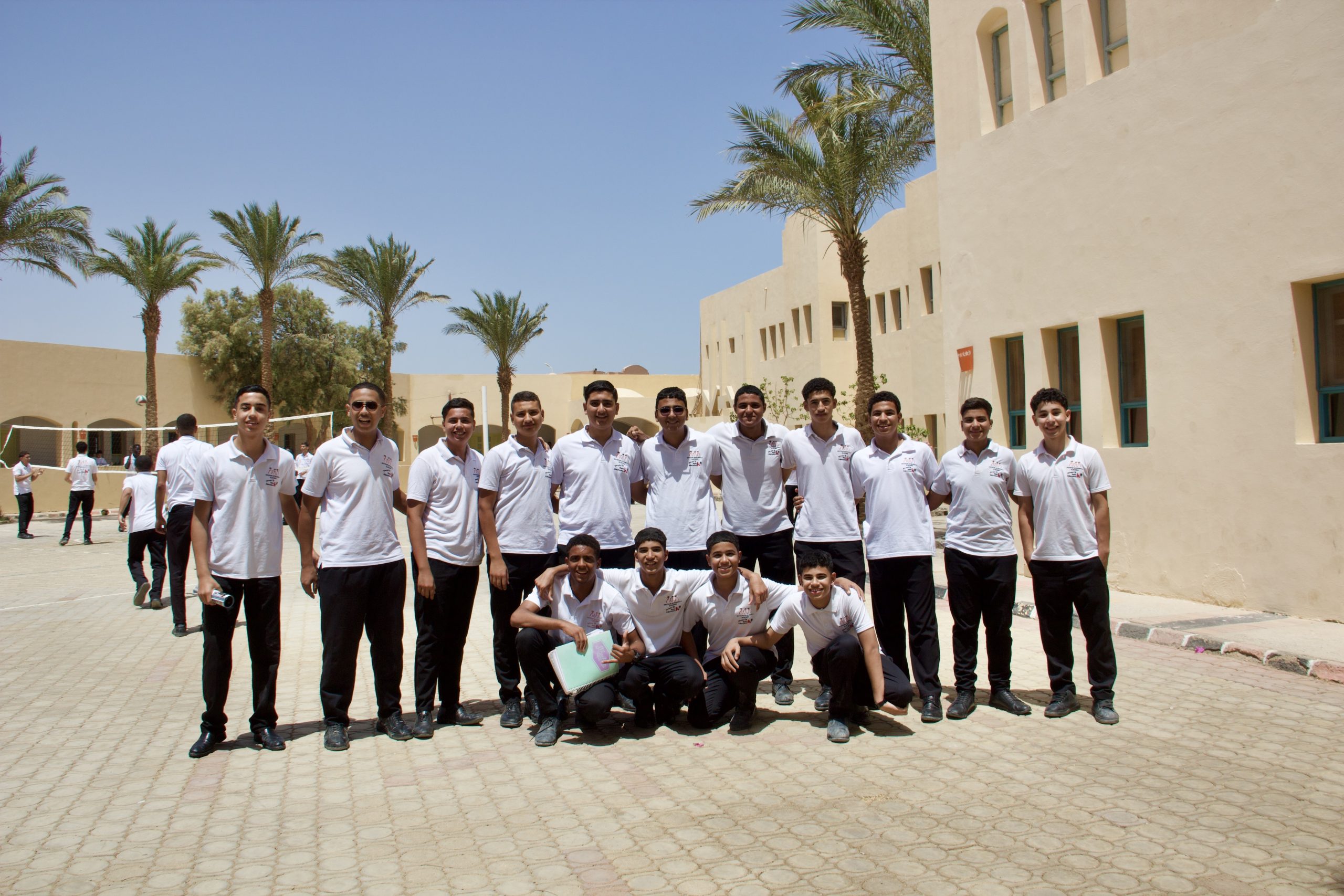
For students at the German Hotel School, seasons like Easter and Sham El-Nessim offer a clear view into how hospitality works beyond the basics.
They see how events are planned, how different departments coordinate, and how guest expectations shift depending on the occasion. More importantly, they begin to understand that creating an experience is not about adding more, it is about designing thoughtfully.
Learning through experience design
For students at the German Hotel School, Easter and Sham El-Nessim provide a valuable learning context.
They demonstrate how:
- Events are planned and executed
- Guest experiences are designed
- Different departments work together
This understanding is essential for future roles in hospitality management.
A season built on connection
A well-designed Easter experience in hospitality is not accidental. It is the result of understanding guest behavior, managing space effectively, and translating cultural expectations into a seamless experience.
Discover more about our community and events by following us on Instagram