
The first impression happens instantly
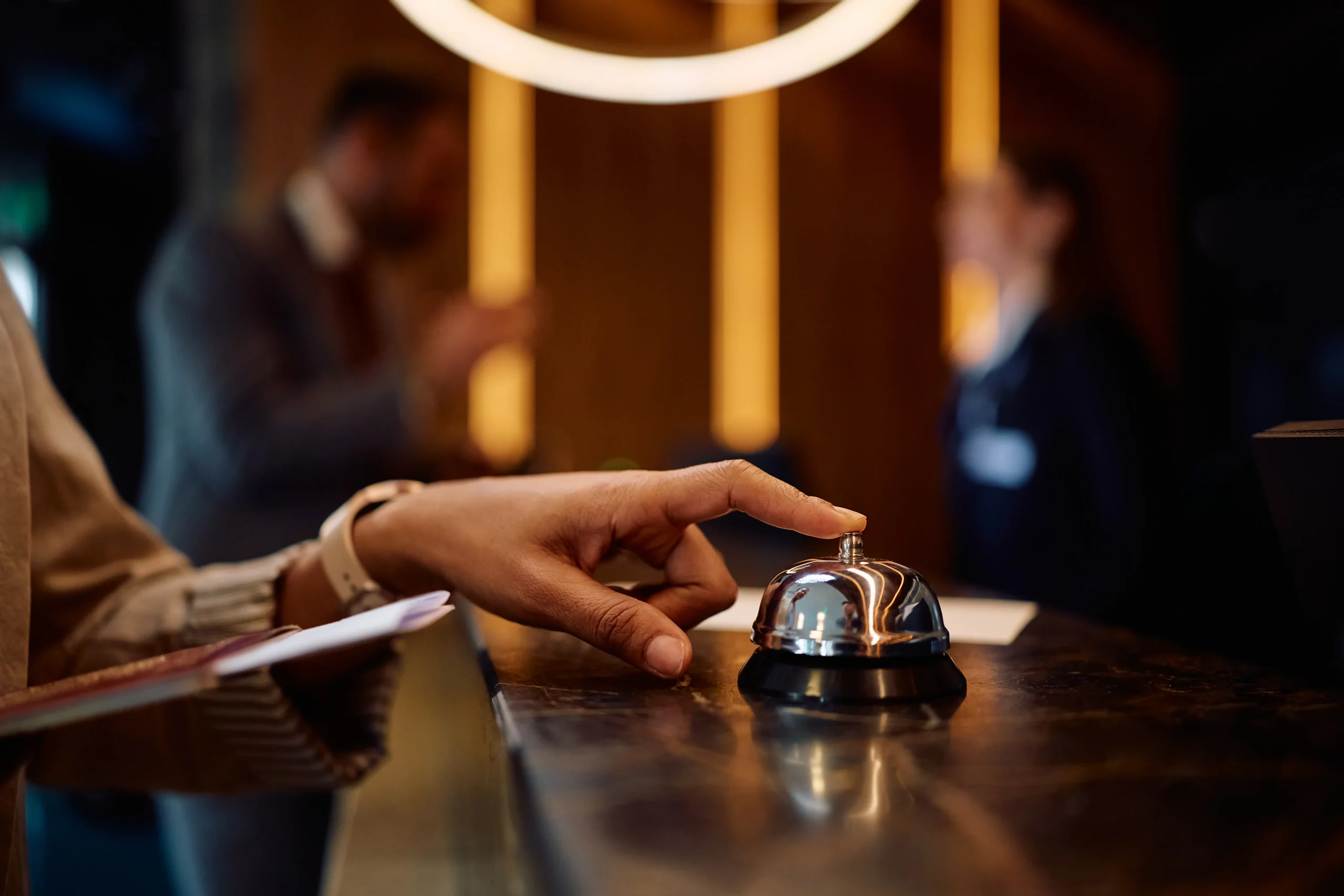
From the moment a guest walks into a hotel, there is a feeling they either trust or question. It might come from the scent of the lobby, the clarity of the glass doors, or the way light reflects off clean surfaces. Cleanliness is always the key to a good impression.
In busy destinations such as Hurghada, where guests arrive throughout the day, this first impression is repeated constantly. There is no “reset” moment. The hotel must feel ready at all times.
This is why cleanliness is not something that happens once in the morning. It is maintained continuously, quietly adjusted throughout the day by teams who are always observing, always correcting small details before they become noticeable.
Behind the scenes, nothing is left to chance
While guests move through open spaces, much of the real work happens out of sight. Corridors, storage areas, and back-of-house spaces operate with a level of structure that keeps everything running smoothly.
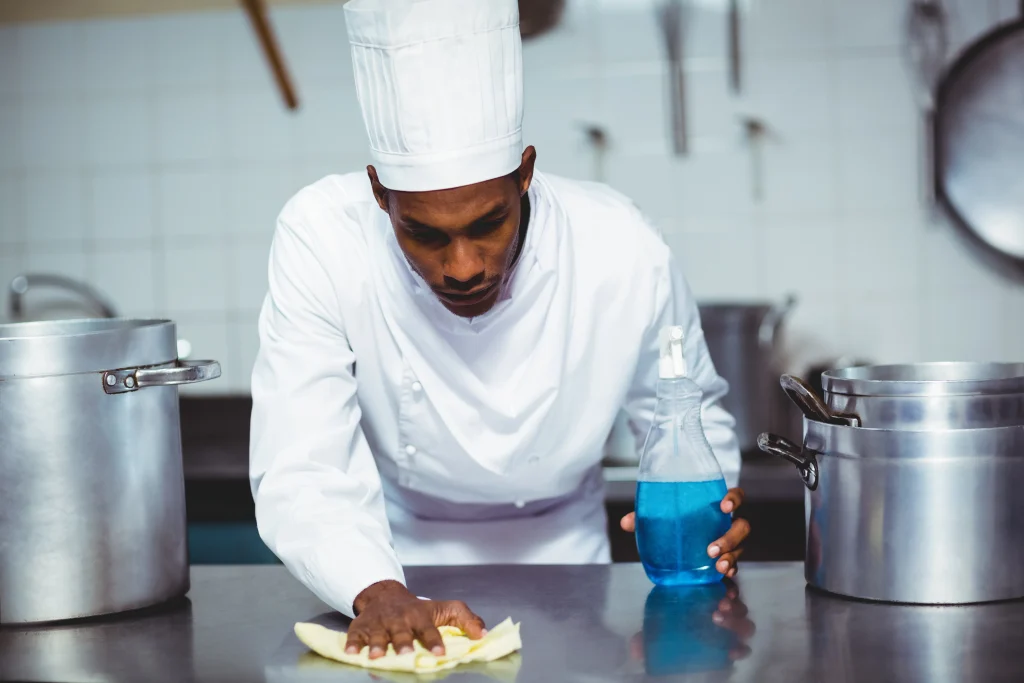
In kitchens, for example, cleanliness is not just about appearance—it is directly tied to safety. Surfaces are cleaned repeatedly, tools are handled with care, and ingredients are stored with precision. Even in the middle of a fast-paced service, there is a rhythm to how chefs work, clean, and reset their stations.
During periods like Ramadan, when Iftar service brings large numbers of guests within a short time, this rhythm becomes even more important. The pace increases, but the standards do not change. If anything, they become stricter.
The unseen work inside every guest room
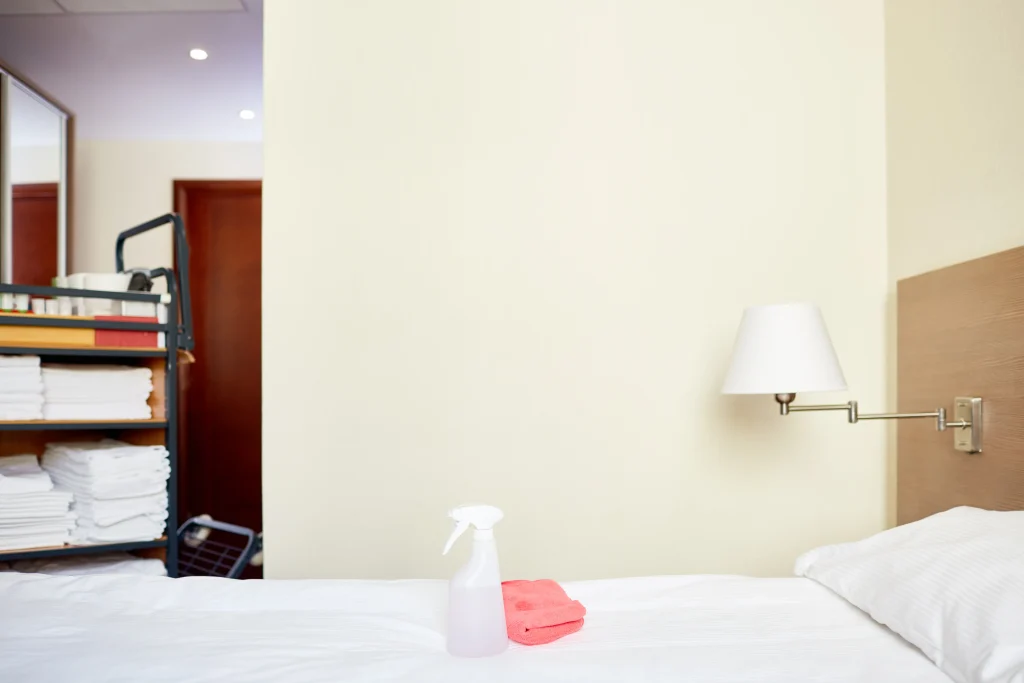
Guest rooms carry a different kind of responsibility. Unlike public areas, they are personal spaces. When a guest enters their room, they expect it to feel untouched, calm, and completely prepared.
What they do not see is the process behind that feeling.
Housekeeping teams move through rooms with a clear system in mind. Every surface is checked, every detail is considered—from the alignment of linens to the cleanliness of mirrors and fixtures. Over time, these actions become instinctive, but they are never careless.
In high-occupancy periods, when rooms must be prepared quickly for incoming guests, the challenge is not just speed—it is consistency. Every room must feel the same, regardless of how busy the day has been.
Cleanliness under pressure
Some of the most demanding moments in hospitality are also the ones where cleanliness matters most.
During peak seasons, hotels operate at full capacity. More guests mean more movement, more usage of spaces, and more pressure on every department. It would be easy for standards to slip in these moments—but this is where strong systems make the difference.
Floors are checked more frequently. Public areas are reset continuously. Kitchens operate with heightened awareness. It is a collective effort, where each team understands that their role contributes to the overall experience.
Guests may only see the final result—a space that feels calm and well-maintained—but behind it is constant coordination.
A quiet form of trust
Cleanliness builds trust in a way that few other aspects of hospitality can.
When a guest feels comfortable in a space, they are more likely to relax, to enjoy their meal, to extend their stay. They may not think about why—but often, it comes back to a sense of order and care.
This is especially true in dining. A clean table, well-presented cutlery, and an organized buffet all send the same message: attention has been paid, and standards are being upheld.
Learning the standard from the beginning
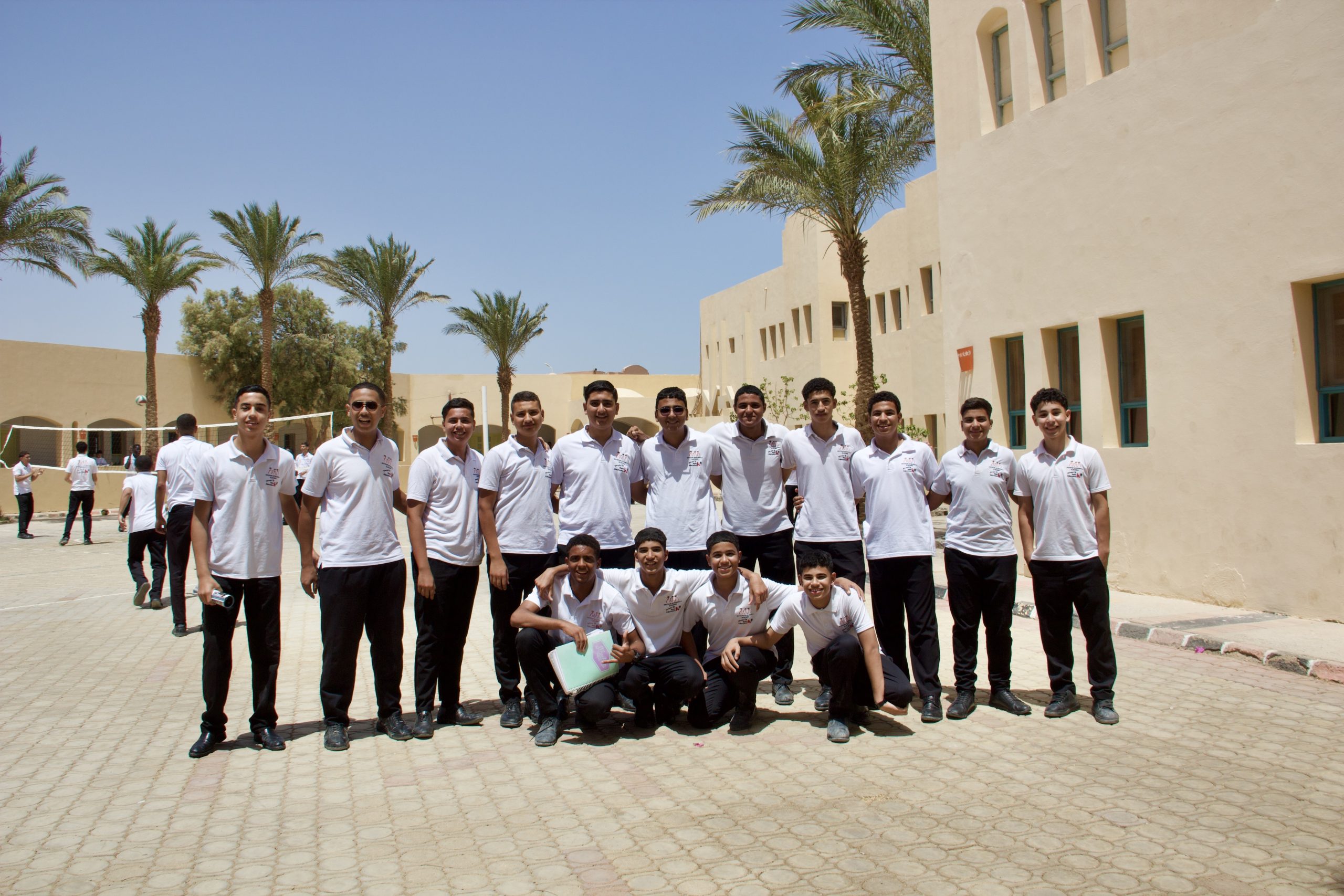
For students at the German Hotel School, cleanliness is not introduced as a separate task. It is part of everything they do.
From their first days of training, they begin to understand that professionalism is often reflected in small, repeated actions. Cleaning a station properly, organizing tools, maintaining order, these are not secondary responsibilities. They are part of the job itself.
Over time, this mindset becomes natural. It shapes how students approach their work, how they move within a space, and how they contribute to a team.
The standard that supports everything else
In the end, cleanliness is not something that stands alone. It supports every other part of hospitality.
Service feels smoother in a well-maintained space. Food feels more appealing when presented in a clean environment. Guests feel more at ease when everything around them reflects care and consistency.
It is not the most visible part of the experience, but it is one of the most important.
And in a field where every detail matters, it is often this quiet standard that holds everything together.