Behind every successful kitchen is a clear hierarchy. While guests may only see the final dish, the process behind it is built on structure, responsibility, and defined roles.
Chef rankings are not just titles, they represent experience, skill level, and leadership within a professional kitchen. Understanding this system is essential for anyone entering the hospitality industry.
Why hierarchy matters in the kitchen
A professional kitchen is a fast-paced, high-pressure environment where timing is critical and mistakes can affect the entire service.
To maintain order, kitchens operate under a structured system often referred to as the brigade.
Each role has:
- Specific responsibilities
- A defined level of authority
- Clear communication channels
This structure allows teams to work efficiently, even during peak service periods.
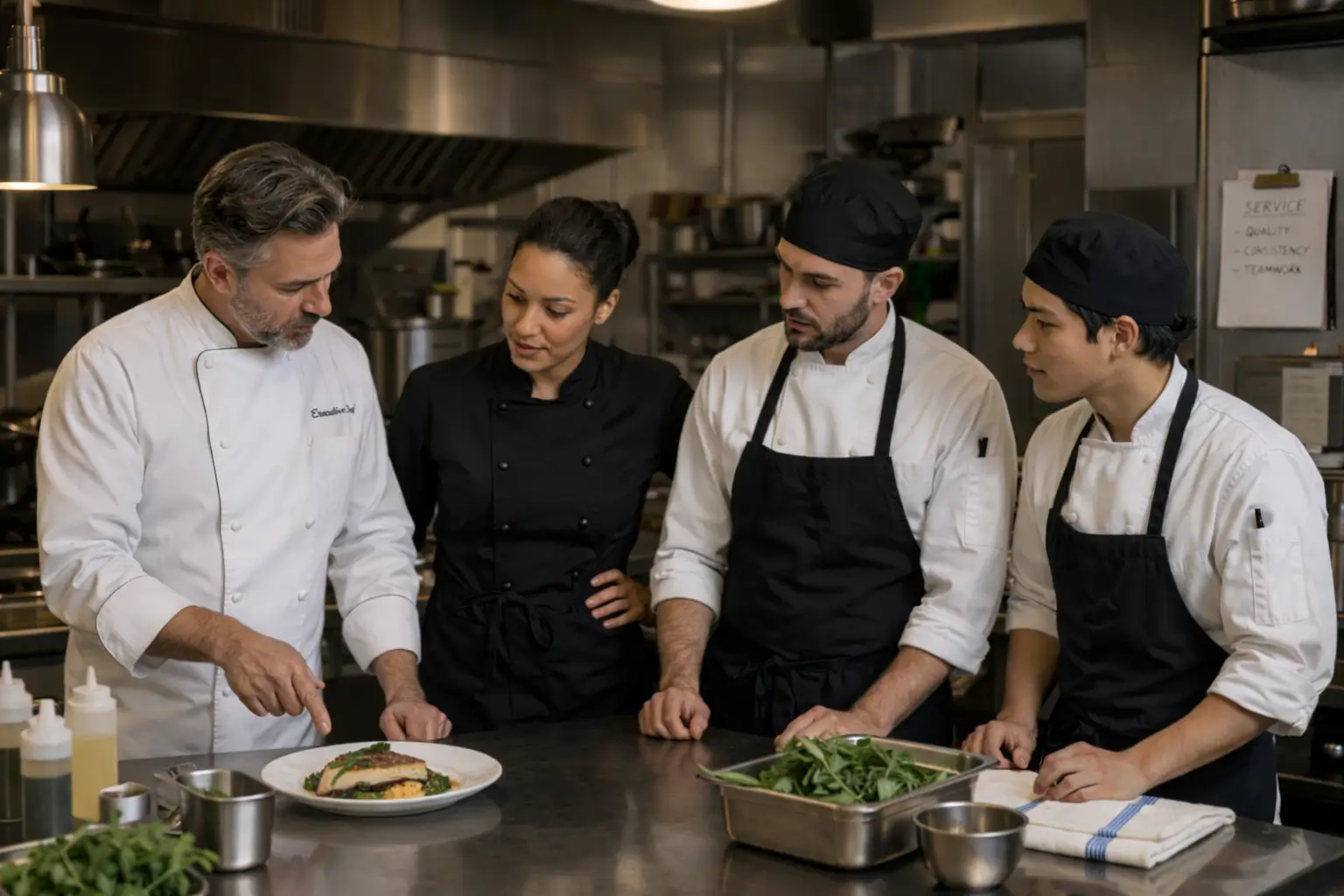
1. The role of the Executive Chef
We start our chef rankings at the top of the hierarchy with the Executive Chef.
This role goes beyond cooking. The Executive Chef is responsible for:
- Menu creation
- Cost control and budgeting
- Team management
- Maintaining overall kitchen standards
In large hotels, especially in destinations like Hurghada, the Executive Chef may oversee multiple kitchens at once, ensuring consistency across different outlets.

2. Sous Chef: the operational leader
The second on our chef rankings list is the Sous Chef.
Often described as the backbone of the kitchen, the Sous Chef manages day-to-day operations. They:
- Supervise kitchen staff
- Ensure service runs smoothly
- Step in wherever needed during busy periods
During high-pressure services, such as large Iftar buffets in Ramadan, the Sous Chef plays a critical role in maintaining flow and coordination.
3. Chef de Partie: mastering a station
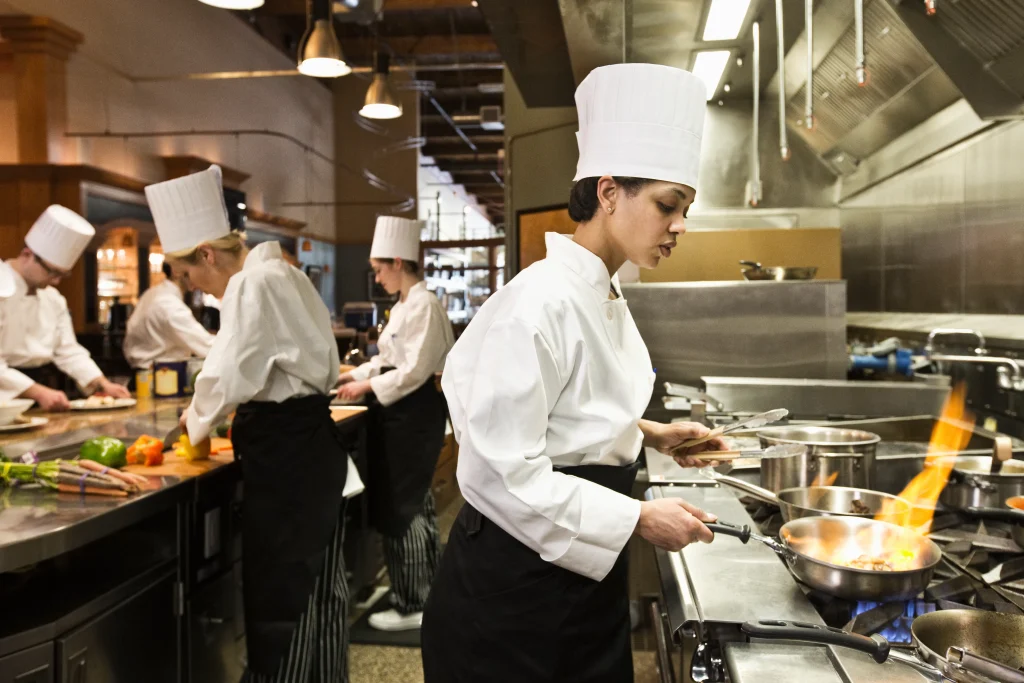
Our chef rankings list continues with the Chef de Partie. The kitchen is divided into sections, and each section is led by a Chef de Partie.
These chefs specialize in specific areas, such as:
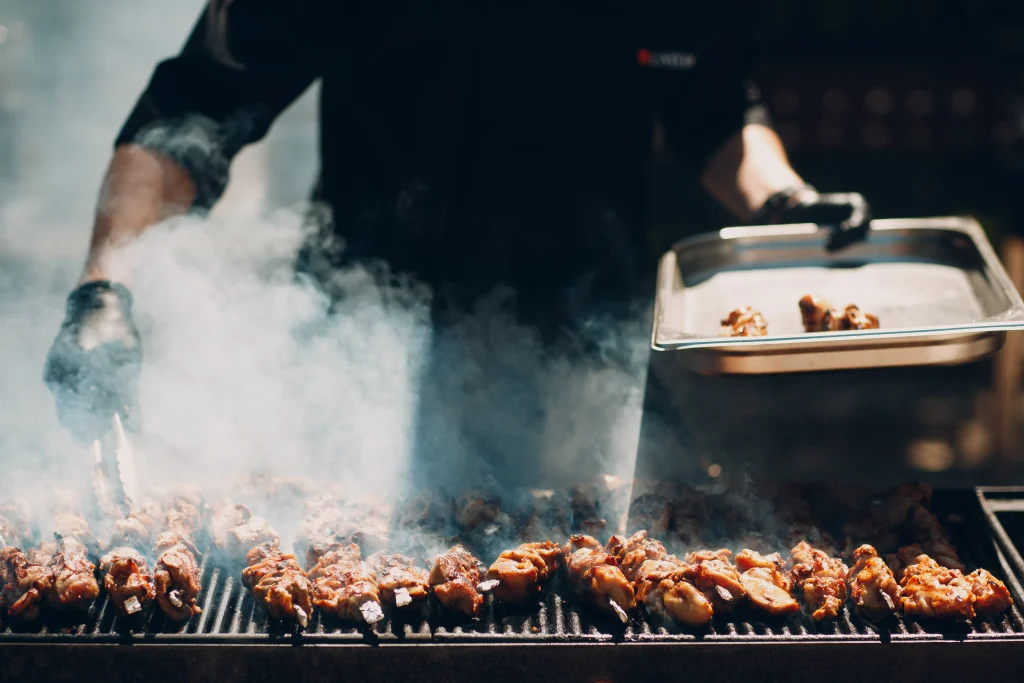
- Grill
- Sauce
- Pastry
- Cold kitchen
They are responsible for:
- Preparing dishes within their station
- Managing junior staff
- Maintaining quality and consistency
This level is where many chefs begin to develop true expertise.
4. Commis Chef: learning through practice
At the entry level is the Commis Chef, the final chef on our chef ranking list.
This role is focused on learning and development. Commis chefs:
- Assist with preparation
- Follow instructions from senior chefs
- Gain experience across different stations
It is often the first step into a professional kitchen, where foundational skills are built.
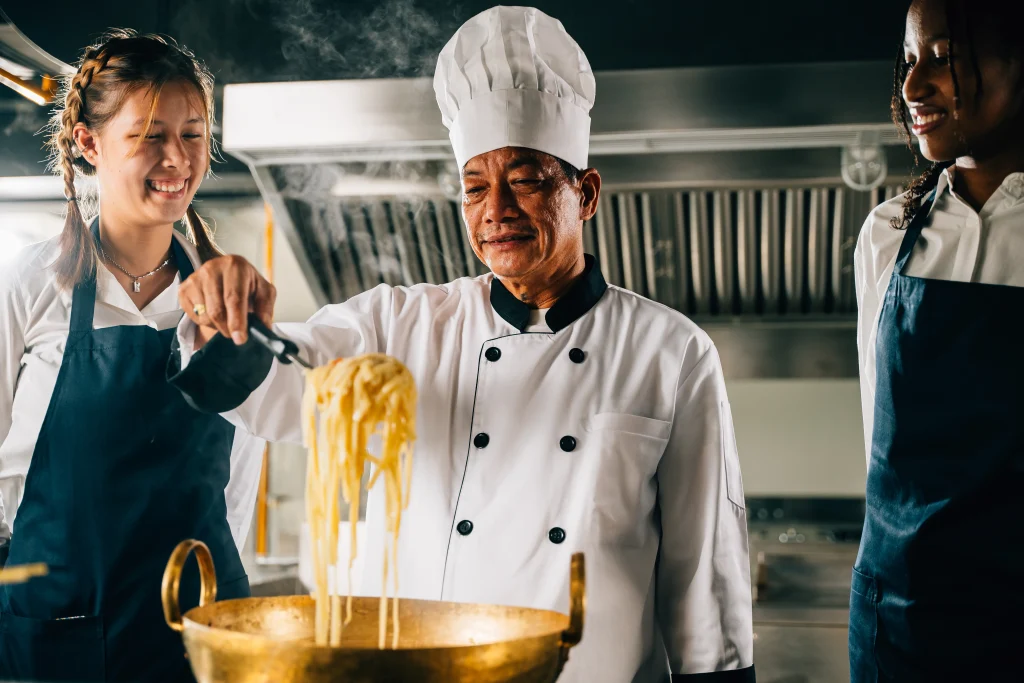
From structure to teamwork
While the hierarchy defines roles, success in the kitchen depends on teamwork.
Each level supports the other:
- Executive Chefs set direction
- Sous Chefs manage execution
- Chef de Parties deliver consistency
- Commis chefs support operations
When this system works well, service becomes seamless, even during busy periods.
Growth within the system
Chef rankings also provide a clear pathway for career progression.
A student may begin as a Commis, move up to Chef de Partie, and eventually take on leadership roles. Each step requires:
- Technical skill
- Experience
- The ability to manage responsibility
Progression is not only about cooking ability, but also about leadership and consistency.
Learning the system from the start
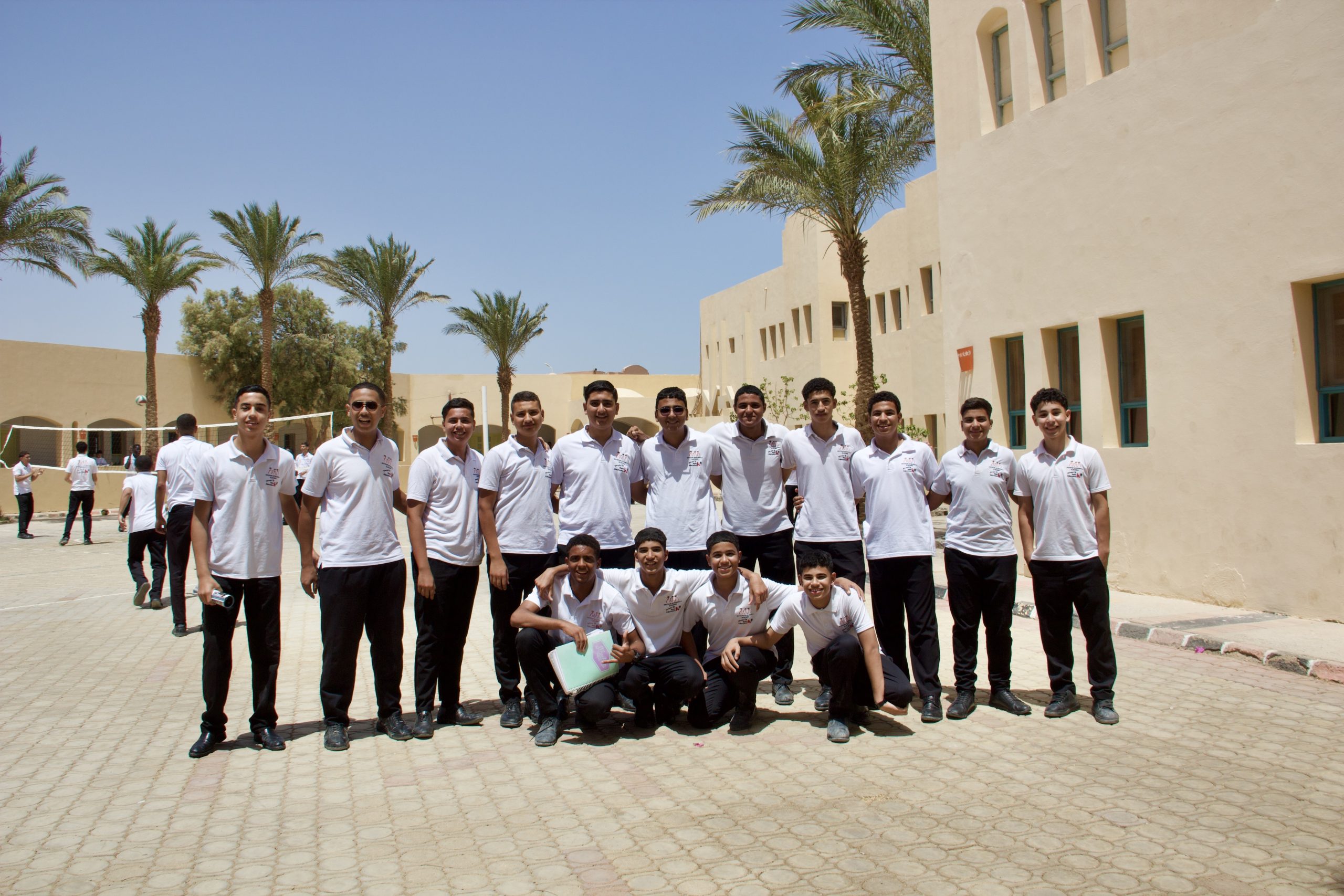
At the German Hotel School, students are introduced to this structure early in their training.
They learn:
- How each role functions
- How communication flows within a kitchen
- What is expected at each level
This prepares them to enter professional environments with clarity and confidence.
The structure behind every dish
When a dish reaches a guest, it represents more than the work of one person. It reflects a coordinated effort across multiple roles within the kitchen.
Chef rankings provide the structure that makes this possible. They ensure that every task is handled, every detail is checked, and every service runs as planned.
In hospitality, that structure is what turns preparation into performance, and consistency into quality.