Designing a buffet in hospitality is never just about presenting food. It is a structured process that combines planning, guest psychology, and operational precision.
In hotels and restaurants, buffets are often a central part of the dining experience. Whether for breakfast, lunch, or themed events, they must accommodate large numbers of guests while maintaining quality, efficiency, and visual appeal.
When done well, a buffet feels natural and effortless. In reality, every detail is carefully designed.
Understanding guest behavior
A successful food presentation begins with understanding how guests think and move.
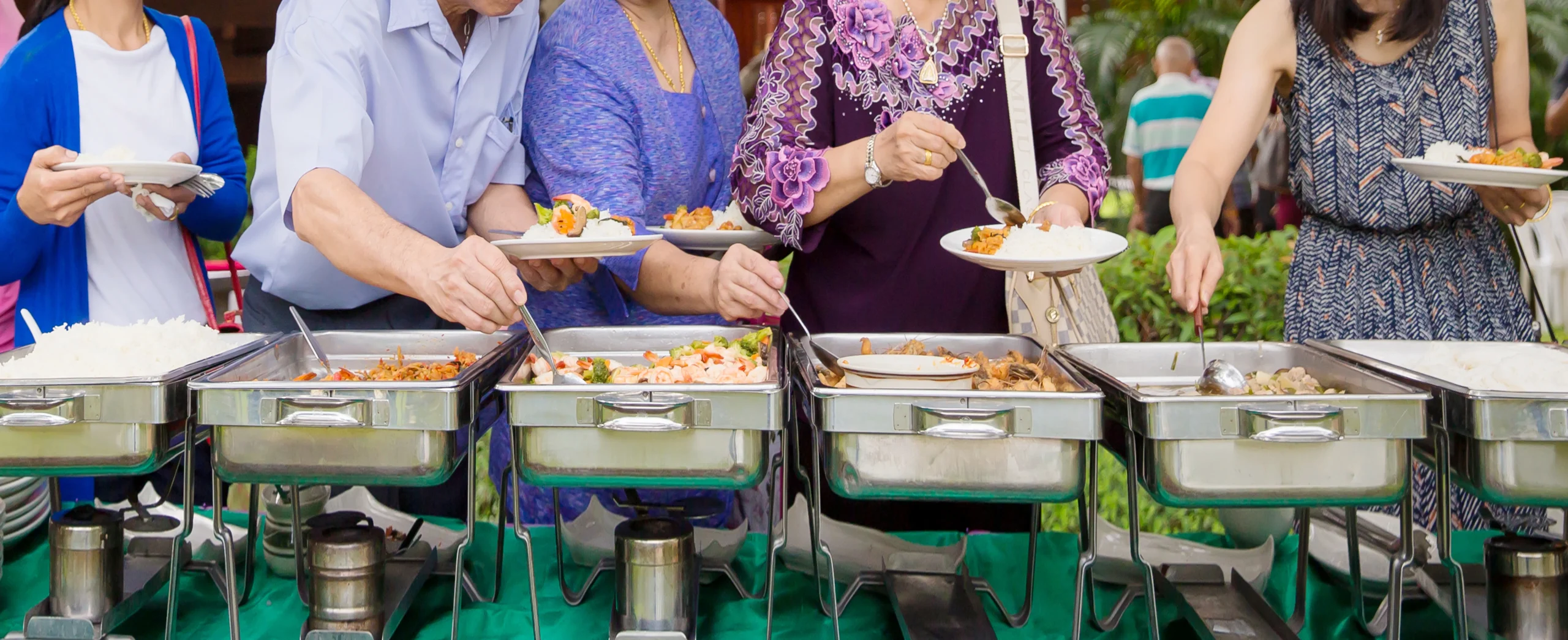
Different guests approach the food service station in different ways:
- Some move quickly and focus on efficiency
- Others take their time and explore all options
- International guests may need more guidance
- Families often move in groups and require more space
These behaviors directly influence how a buffet is structured. A well-designed layout anticipates these differences and makes the experience smooth for everyone.
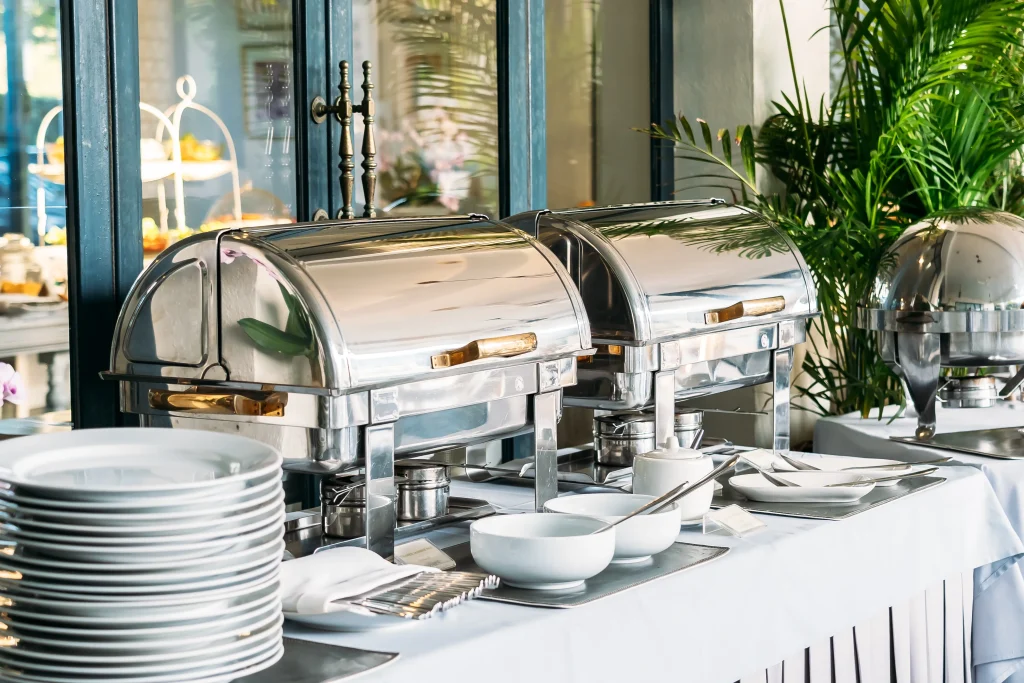
Creating structure in the menu
Variety is important, but structure is essential.
A professional service layout follows a logical sequence:
- Starters and lighter options
- Salads and cold dishes
- Main courses
- Side dishes
- Desserts
This structure helps guests build their plates naturally.
A well-balanced buffet includes:
- Light and heavy dishes
- Familiar and international options
- Choices for different dietary needs
Without structure, an experience quickly feels overwhelming. With it, the experience becomes intuitive.
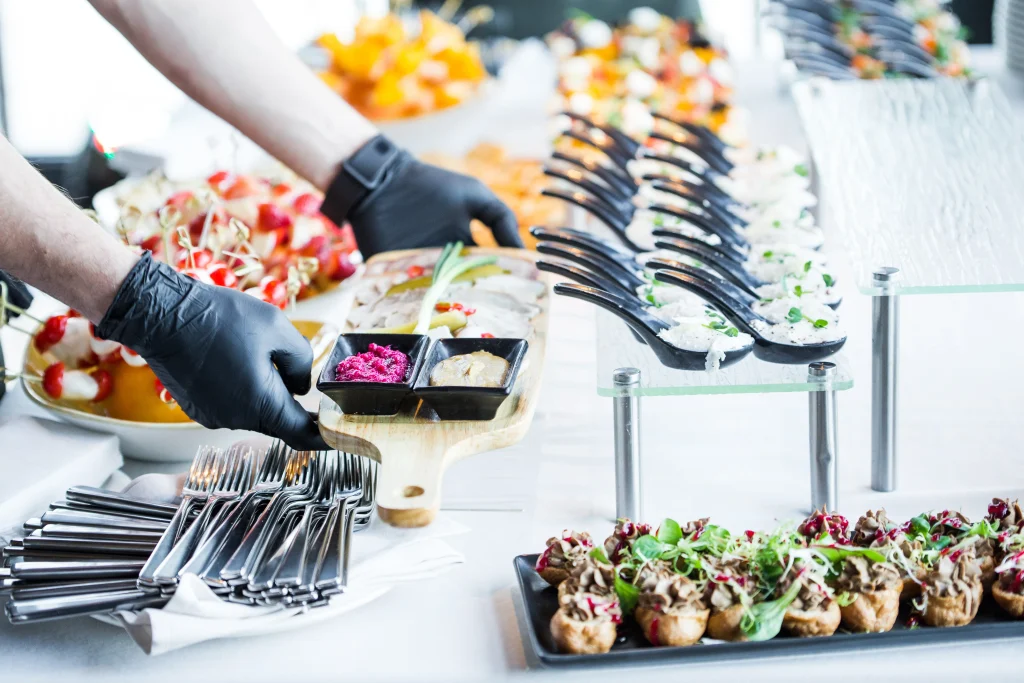
The role of presentation
Before guests taste the food, they see it.
Presentation plays a key role in:
- Attracting attention
- Communicating freshness
- Encouraging selection
Professional teams focus on:
- Color contrast between dishes
- Clean and organized serving areas
- Variation in height to create visual interest
Small details, like how food is arranged or how trays are positioned, shape the overall perception of quality.
Designing the flow of movement
One of the most important elements of buffet design is movement.
Without a clear flow, an open dining concept can quickly become crowded and stressful.
A strong layout includes:
- Plates placed at the beginning
- A logical order of food stations
- Enough space between sections
- Separate drink stations where possible
The goal is to guide guests naturally, without needing instructions.
When movement is smooth, the entire experience improves.
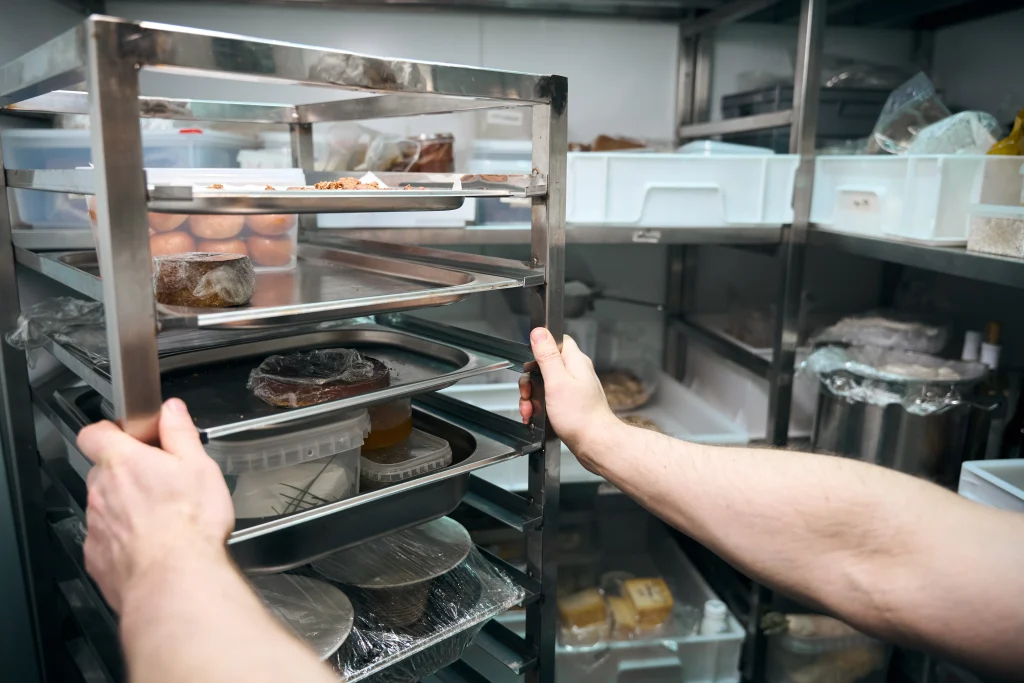
Maintaining hygiene and safety
Behind every buffet is a strict system of food safety.
This includes:
- Keeping hot food at the correct temperature
- Ensuring cold items remain chilled
- Regularly replacing serving utensils
- Keeping surfaces clean throughout service
Because many guests need to be served in a short time, continuous monitoring is essential.
Guests may not always notice these details, but they expect them.
Adapting to different occasions
Not all buffets are the same.
They change depending on the occasion:
- Breakfast buffets focus on speed and simplicity
- Event buffets emphasize presentation and atmosphere
- Themed buffets highlight specific cuisines or cultures
- Outdoor buffets require flexibility and space planning
Hospitality professionals must adapt their approach while maintaining the same standards of quality and organization.
Learning through practice
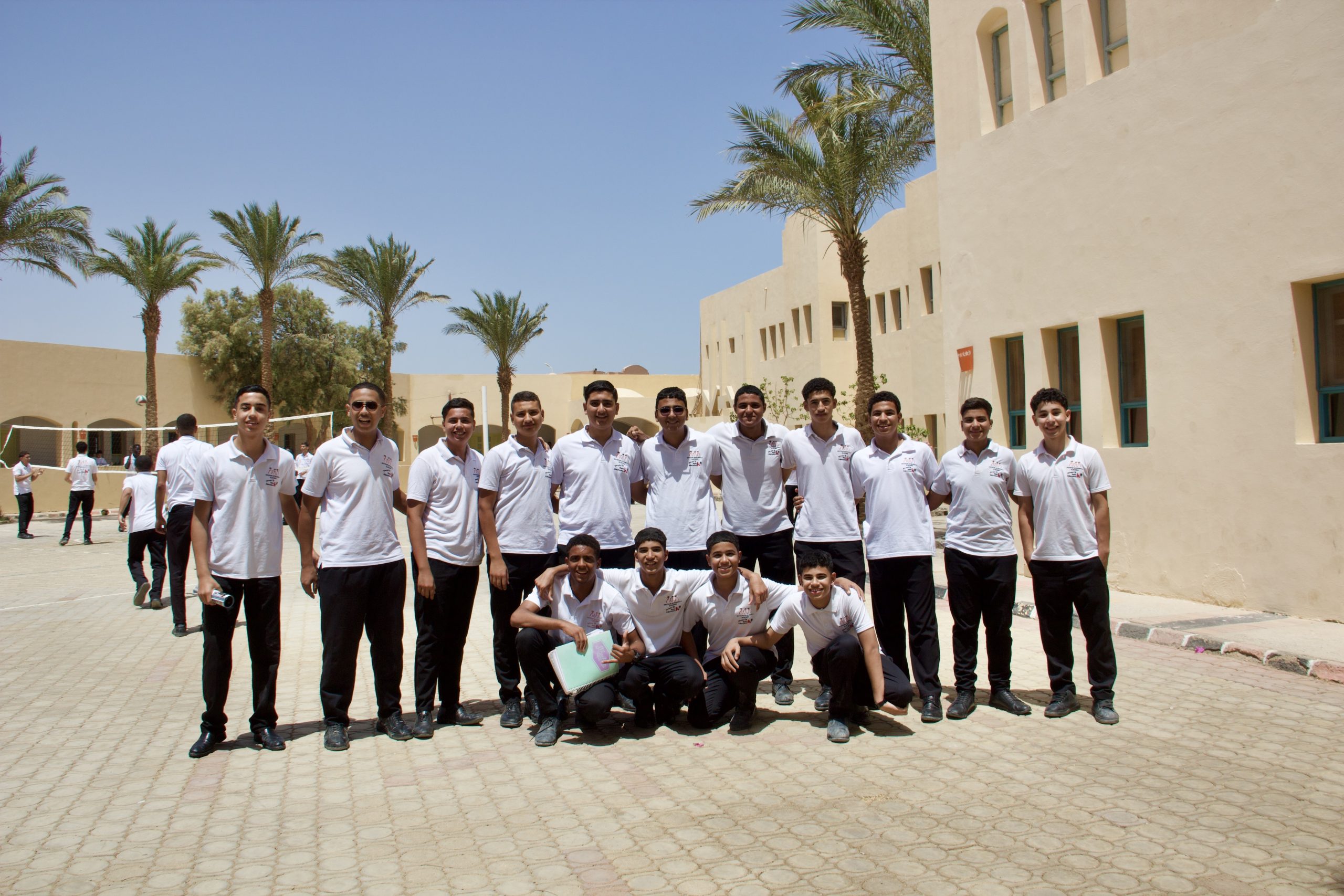
For students at the German Hotel School, buffets are an essential part of practical training.
They learn how:
- Kitchen and service teams work together
- Layout decisions affect guest experience
- Timing and coordination impact efficiency
Working with buffets helps students develop both technical skills and awareness of real-world operations.
A complete hospitality experience
A buffet is more than a way of serving food. It is a carefully designed system that brings together space, service, and guest interaction.
When planning, structure, and attention to detail come together, the result is an experience that feels seamless.
And in hospitality, it is often these unseen details that make the strongest impression.
Discover more about our community and events by following us on Instagram