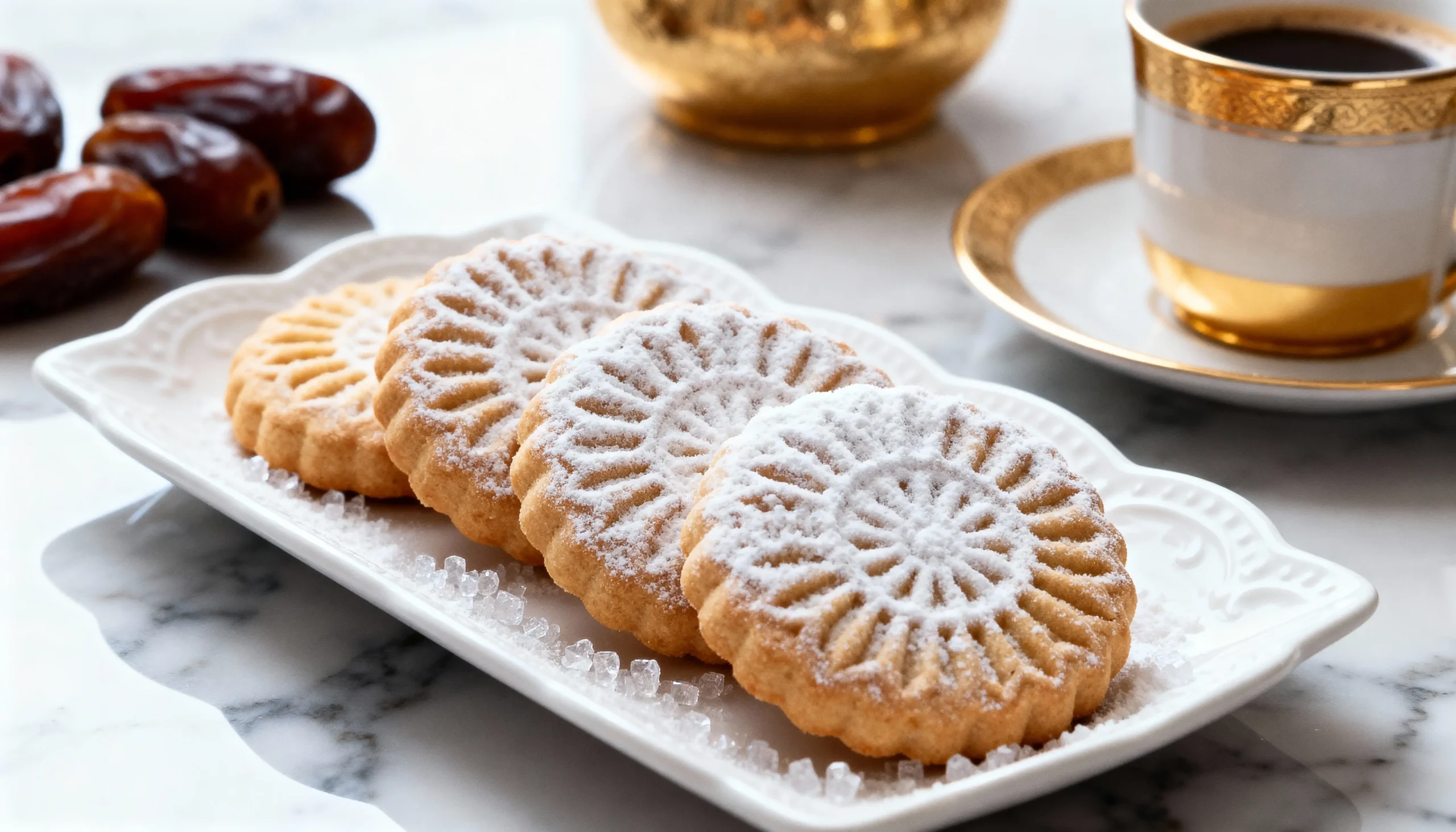
With the end of Ramadan comes the beginning of Eid al-Fitr. A time that feels lighter, more festive, and deeply social. In Egypt, Eid mornings are marked by visits between family and friends, trays of sweets, and the familiar ritual of offering something homemade to every guest who walks through the door.
At the center of this tradition is Kahk.
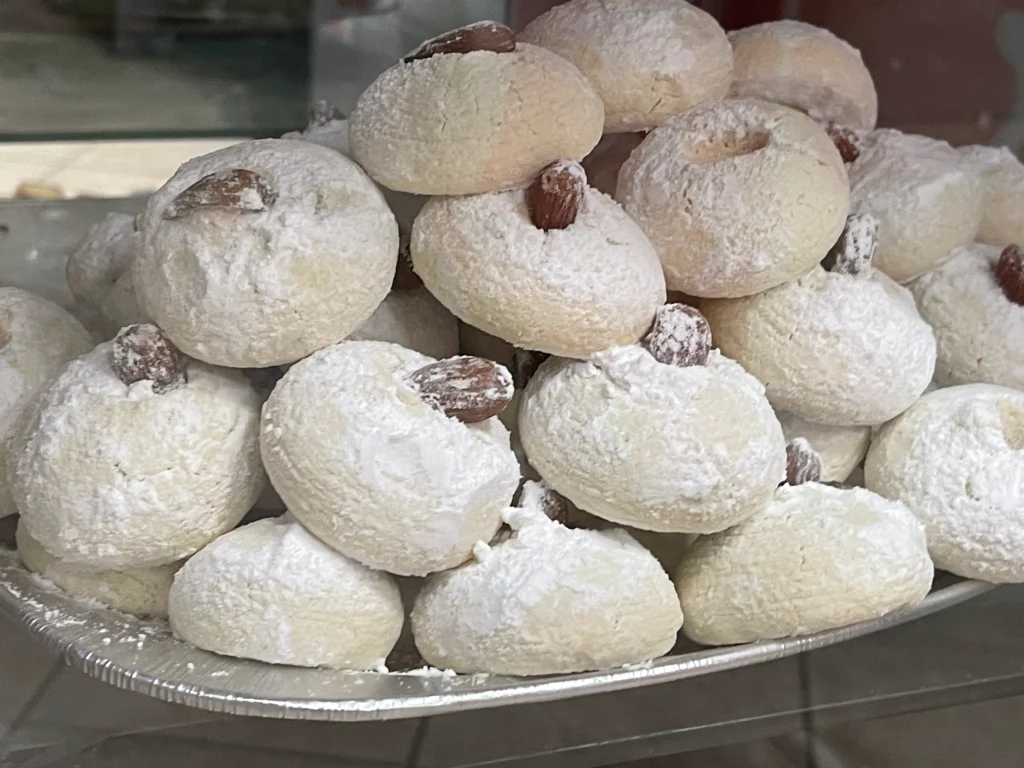
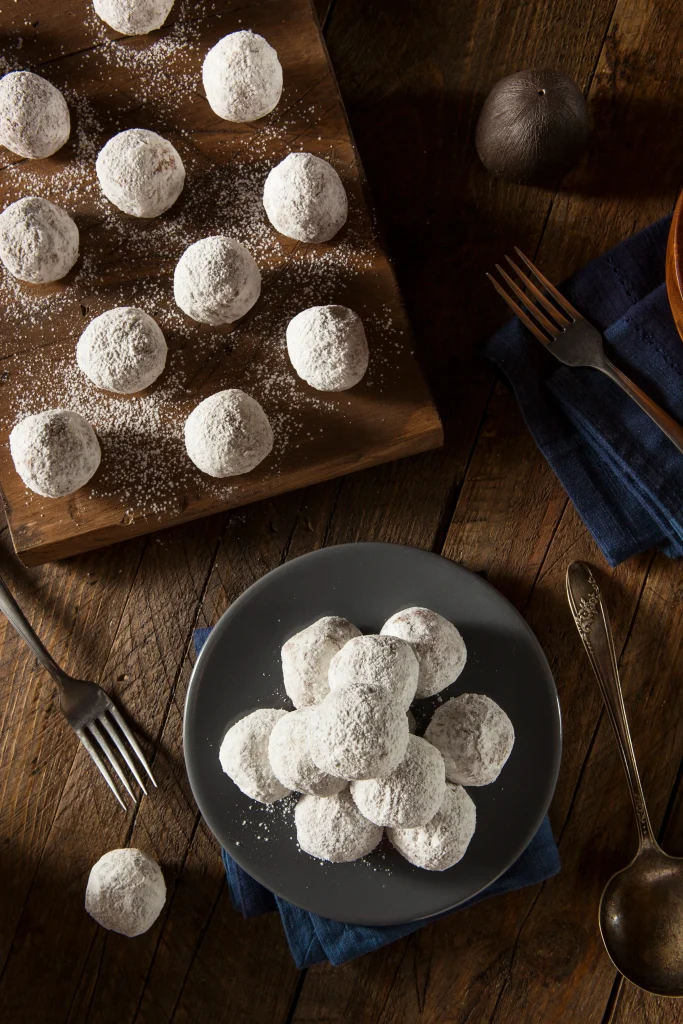
Recognizable by its powdered sugar coating and delicate texture, Kahk is more than just a biscuit. It is a symbol of Eid itself, something prepared in advance, shared generously, and expected in every home.
A tradition that goes back centuries
Kahk is not a recent addition to Egyptian culture. Variations of these filled biscuits date back to ancient Egypt, where early forms of festive baked goods were prepared for celebrations and special occasions.
Over time, the recipe evolved, influenced by different periods and cultures, but it remained tied to moments of gathering and generosity. Today, Kahk continues to hold that same meaning. In the days leading up to Eid, many households begin preparing it in large batches, often turning the process into a social activity in itself.
In some families, several generations come together in the kitchen, shaping, filling, and baking together. The process is just as important as the final result.
One name, many variations
While Kahk is strongly associated with Egypt, similar festive cookies exist across the region. In some countries, they may be shaped differently, filled with alternative ingredients, or spiced in unique ways.
Even within Egypt, no two versions are exactly the same.
Some families prefer a soft, melt-in-the-mouth texture, while others aim for a slightly firmer bite. Fillings vary as well, dates are the most traditional, but nuts, agameya (a honey and nut mixture), or even plain versions without filling are common.
The balance of ingredients also changes from one household to another. Some recipes use more ghee for richness, while others adjust sweetness or texture based on personal preference. These variations are what make Kahk feel personal and familiar at the same time.
The ingredients behind the tradition
Despite these differences, the foundation of Kahk remains simple.
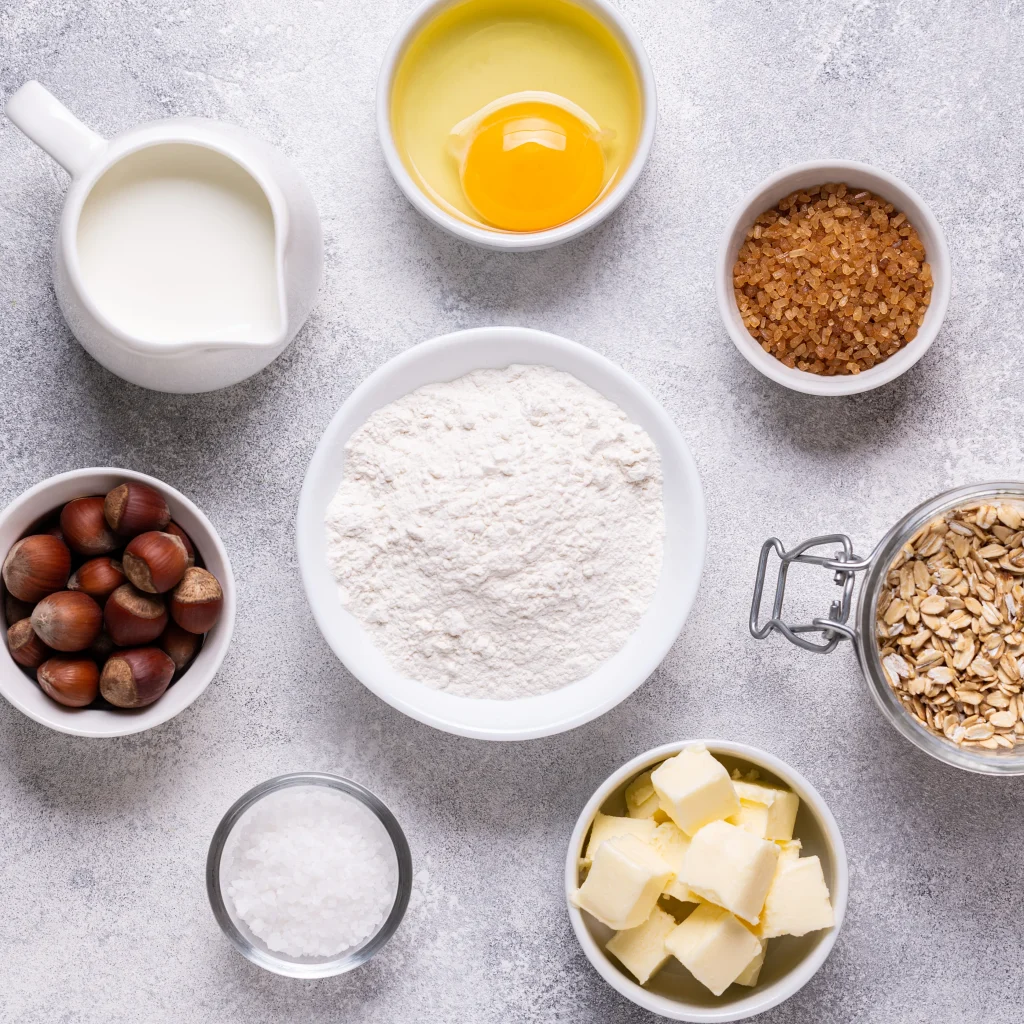
Most recipes include:
- Flour
- Butter or ghee
- Powdered sugar
- Yeast
- Milk
- Fillings such as dates or nuts
What makes Kahk unique is how these ingredients are combined. Ghee, in particular, plays a central role, giving the dough its distinct richness and texture. The use of yeast adds a lightness that sets Kahk apart from other biscuits.
In professional kitchens, these ingredients are measured precisely to ensure consistency, especially when producing large quantities for guests during Eid.
The preparation process
A step-by-step approach
1. Preparing the dough
Ingredients are combined and kneaded until smooth.
2. Shaping the cookies
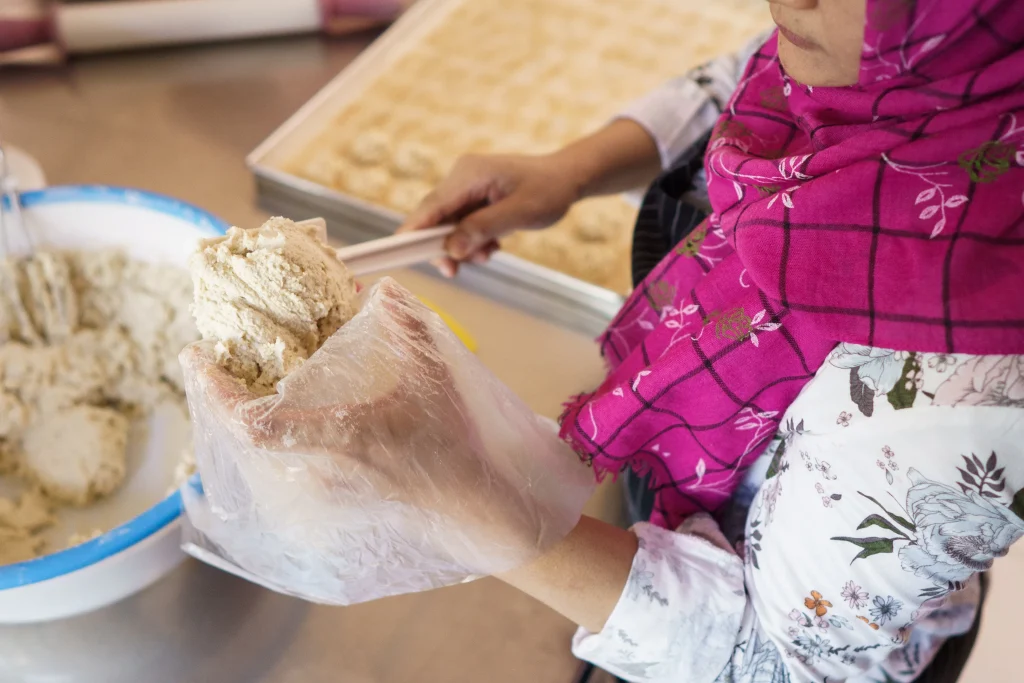
Small portions are shaped by hand or with molds, often filled with dates or nuts.
3. Baking
The cookies are baked until lightly golden.
4. Finishing
Once cooled, they are dusted with powdered sugar.
Consistency is essential, especially in professional kitchens where large quantities are produced.
From home kitchens to hospitality settings
In hotels and restaurants, Kahk takes on a slightly different role, but its meaning remains the same.
During Eid, many hotels across Egypt include Kahk as part of their dessert offerings, whether in buffets or as part of a welcome presentation. For local guests, it creates a sense of familiarity. For international visitors, it offers a direct connection to Egyptian culture.
Presentation may be more refined, served in elegant arrangements, paired with tea or coffee, but the essence of the dish is preserved. It remains something to be shared.
Learning through cultural tradition
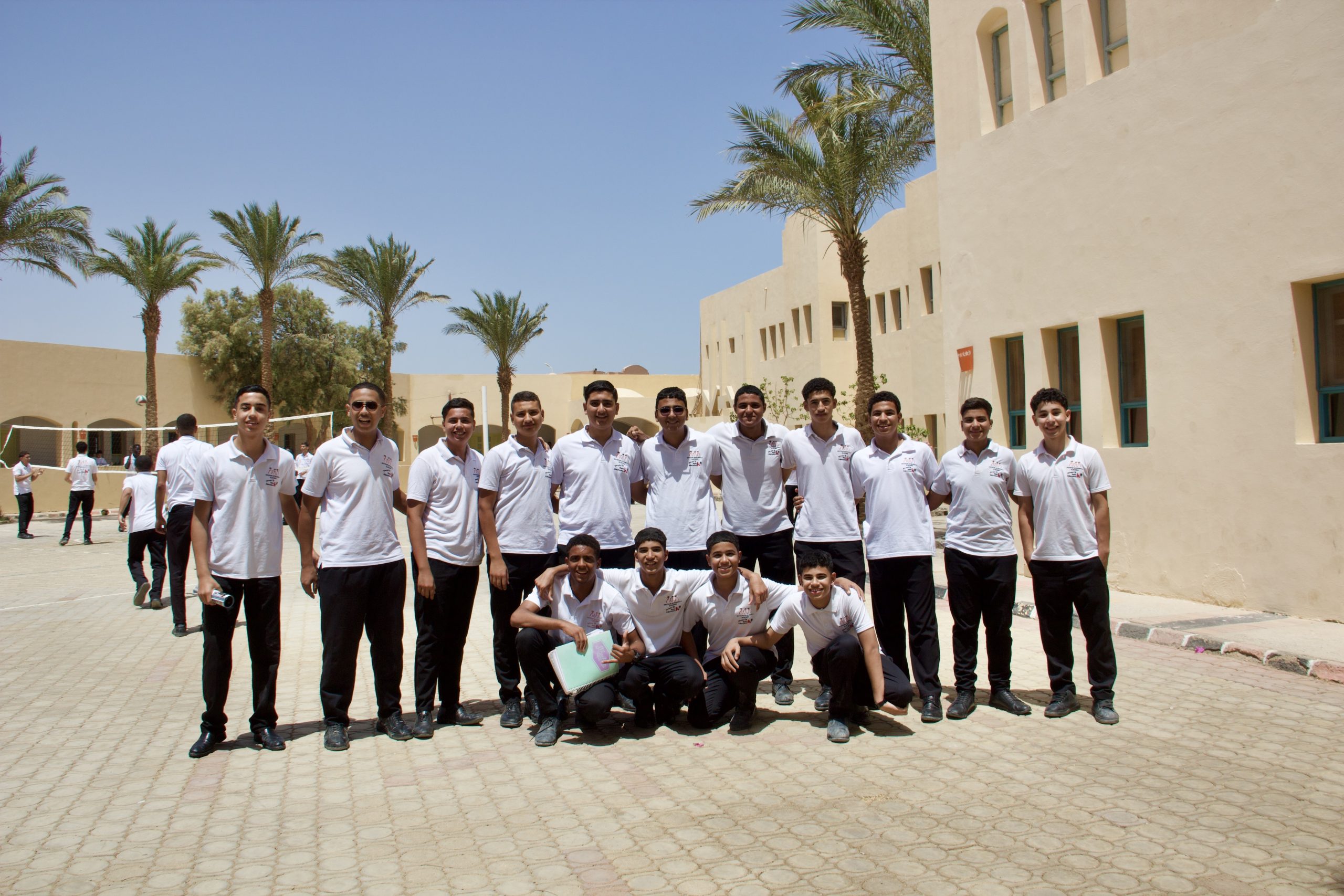
For students at the German Hotel School, preparing Kahk is not only about learning a recipe. It is about understanding how food connects to culture, memory, and expectation.
They learn how traditional dishes are adapted to professional environments, how consistency is maintained at scale, and how authenticity can be preserved even in modern settings.
A taste that defines the occasion
Eid is, above all, a celebration of connection. It is a time when doors remain open, visits are frequent, and food is constantly offered.
Kahk fits naturally into this rhythm. It sits on every table, ready to be shared, carried from one home to another, and enjoyed throughout the day.
It may seem like a simple biscuit, but for many, it represents something much more, a sense of continuity, tradition, and the quiet joy of celebrating together.
And in hospitality, understanding that meaning is what turns a dish into an experience.
Are you interested in more (Ramadan) recipes?
Discover more about our community and events by following us on Instagram