Behind the Scenes: How hospitality professionals prepare Iftar buffets
During Ramadan, hotels across Egypt begin to shift long before the first guest arrives. In the hours leading up to sunset, there is a quiet buildup—tables are set, lights are adjusted, and kitchens move with focus and urgency. By the time guests walk in and gather for Iftar, everything appears calm and effortless.
What most guests do not see is how much preparation it takes to create that feeling.
Behind every Iftar buffet is a process that starts weeks in advance and continues right up to the final moments before service.
Preparing long before Ramadan begins
In destinations such as Hurghada, Ramadan is never approached last minute. Hotels begin planning well ahead of the season, knowing that expectations are high and the margin for error is small.
Managers, chefs, and service teams come together early to design the overall experience. This includes not only what will be served, but how it will be presented, how guests will move through the space, and how the atmosphere will feel.
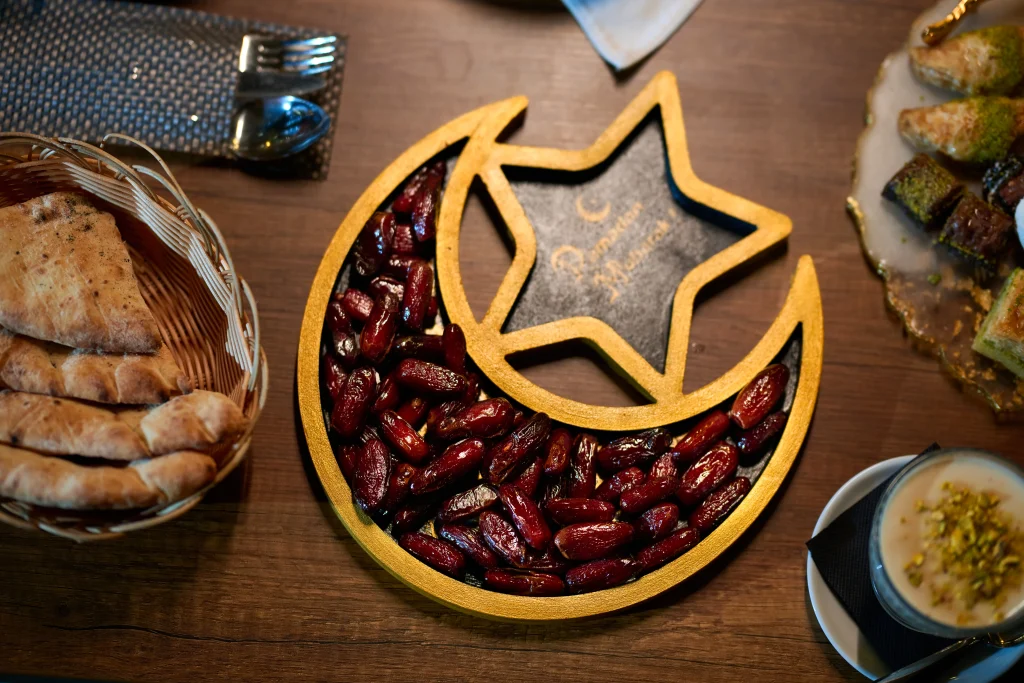
Menu planning becomes a central part of this process. Chefs carefully select dishes that reflect both tradition and variety, soups to gently break the fast, a mix of main courses to suit different preferences, and familiar desserts that guests expect during Ramadan. Drinks such as tamarind and hibiscus are almost always included, not just as refreshments, but as part of the cultural experience.
The goal is not to offer everything, but to offer the right balance—something that feels complete without being overwhelming.
From planning to preparation
As Ramadan begins, the focus shifts from planning to execution. In hotel kitchens, work starts early in the day, often while the rest of the property is still quiet.
Ingredients arrive in large quantities and must be handled with care. Vegetables are washed and cut, meats are prepared and marinated, and sauces are developed in stages. Each step follows a clear structure, because timing later in the day will depend on how well this early preparation is managed.
By mid-afternoon, the pace begins to increase. More dishes move into their final stages, and teams start coordinating closely to ensure everything will be ready at the exact moment of Iftar.
There is no flexibility in timing. A single delay can affect the entire service, which is why preparation is built around precision.
Maintaining standards under pressure
As sunset approaches, the atmosphere behind the scenes changes. Kitchens become more focused, communication becomes sharper, and every team member knows their role.
At the same time, the number of guests begins to increase. In many hotels, especially on weekends, hundreds of people may arrive within a very short period. From the guest’s perspective, everything should feel smooth and welcoming. Behind the scenes, it requires constant coordination.
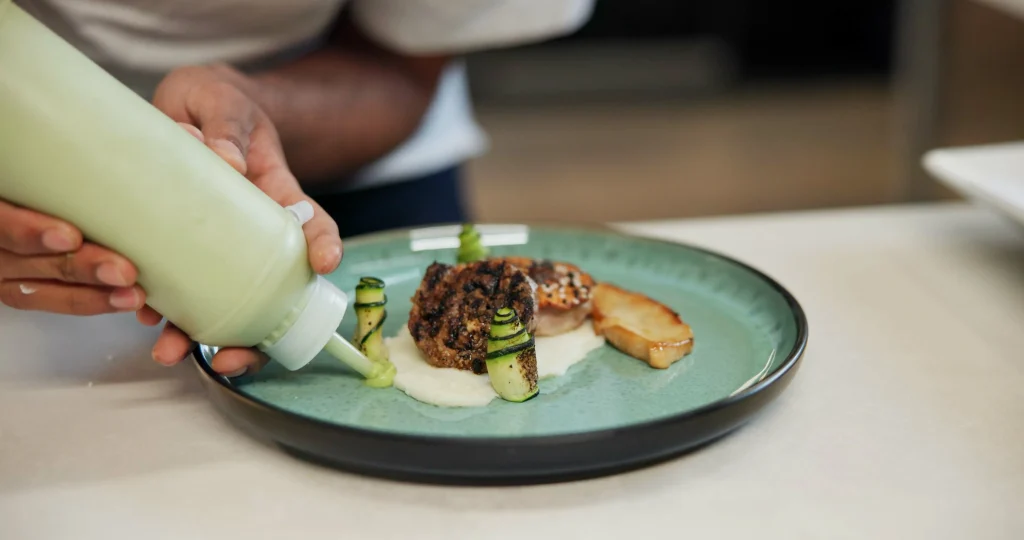
Food safety becomes even more critical in these moments. Dishes must be held at the correct temperatures, serving stations must remain clean and organized, and staff must move efficiently without disrupting the flow.
These are not tasks that can be improvised. They rely on training, repetition, and experience.
Preparing the guest experience
ServWhile the kitchen is working, service teams are shaping the guest experience in a different way.
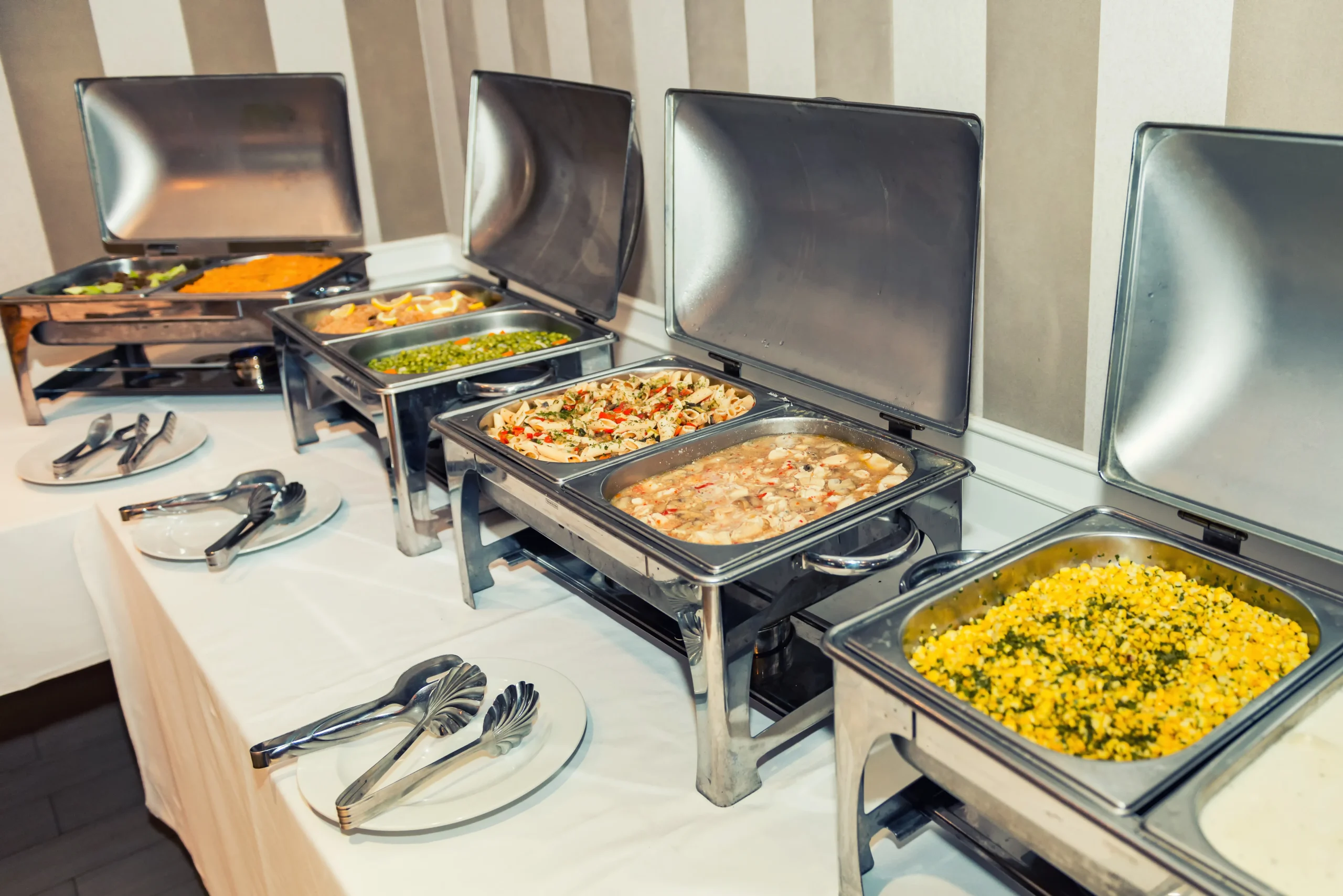
Buffet stations are arranged with intention. Plates are placed where guests naturally begin, dishes are organized in a logical sequence, and enough space is left for people to move comfortably—even during peak moments.
Small details make a noticeable difference. Clear labeling helps guests navigate unfamiliar dishes. Lighting sets the tone for the evening. Decorations, often including lanterns and traditional elements, create a sense of occasion without overwhelming the space.
In outdoor settings, which are common in places like Hurghada, the atmosphere becomes even more distinct. As the sun sets and the call to prayer approaches, the entire environment shifts, and the preparation of the space becomes part of the experience itself.
The role of teamwork
What ties everything together is teamwork. An Iftar buffet cannot function through individual effort alone. It depends on how well different roles connect.
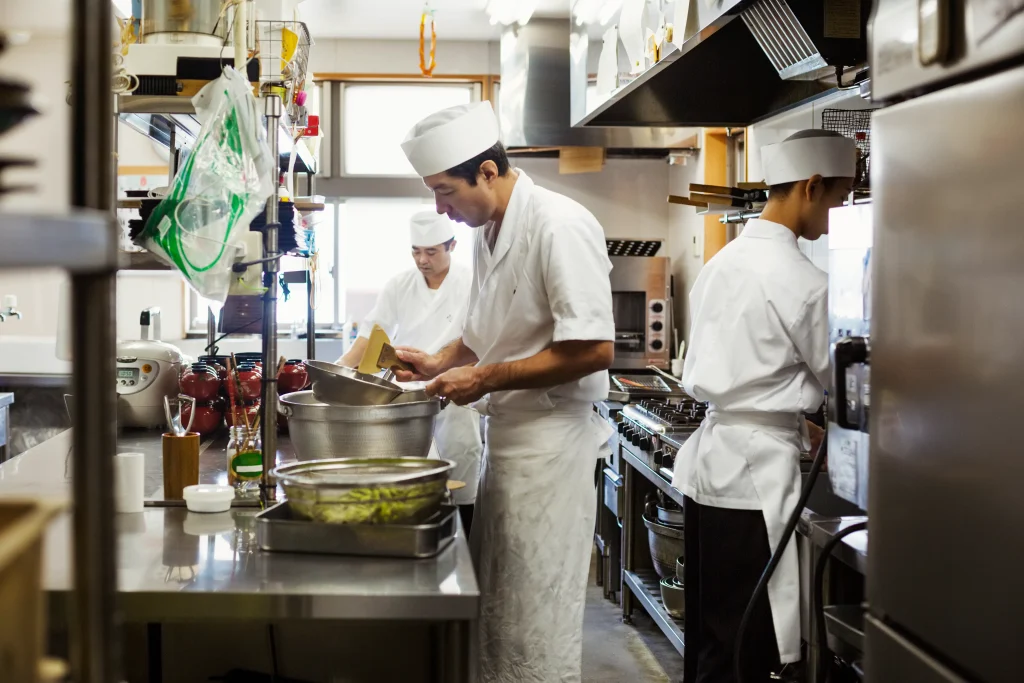
Chefs rely on preparation teams. Service staff rely on kitchen timing. Supervisors coordinate movement across the floor. Managers oversee the entire process, making adjustments as needed.
In busy moments, communication becomes essential. A small issue in one area can quickly affect another, which is why teams must stay connected throughout the service.
This level of coordination is what allows the experience to feel seamless to the guest.
Learning through real experience
For students, Ramadan offers one of the most valuable learning environments in hospitality. It brings together everything at once—high guest volume, strict timing, and real teamwork under pressure.
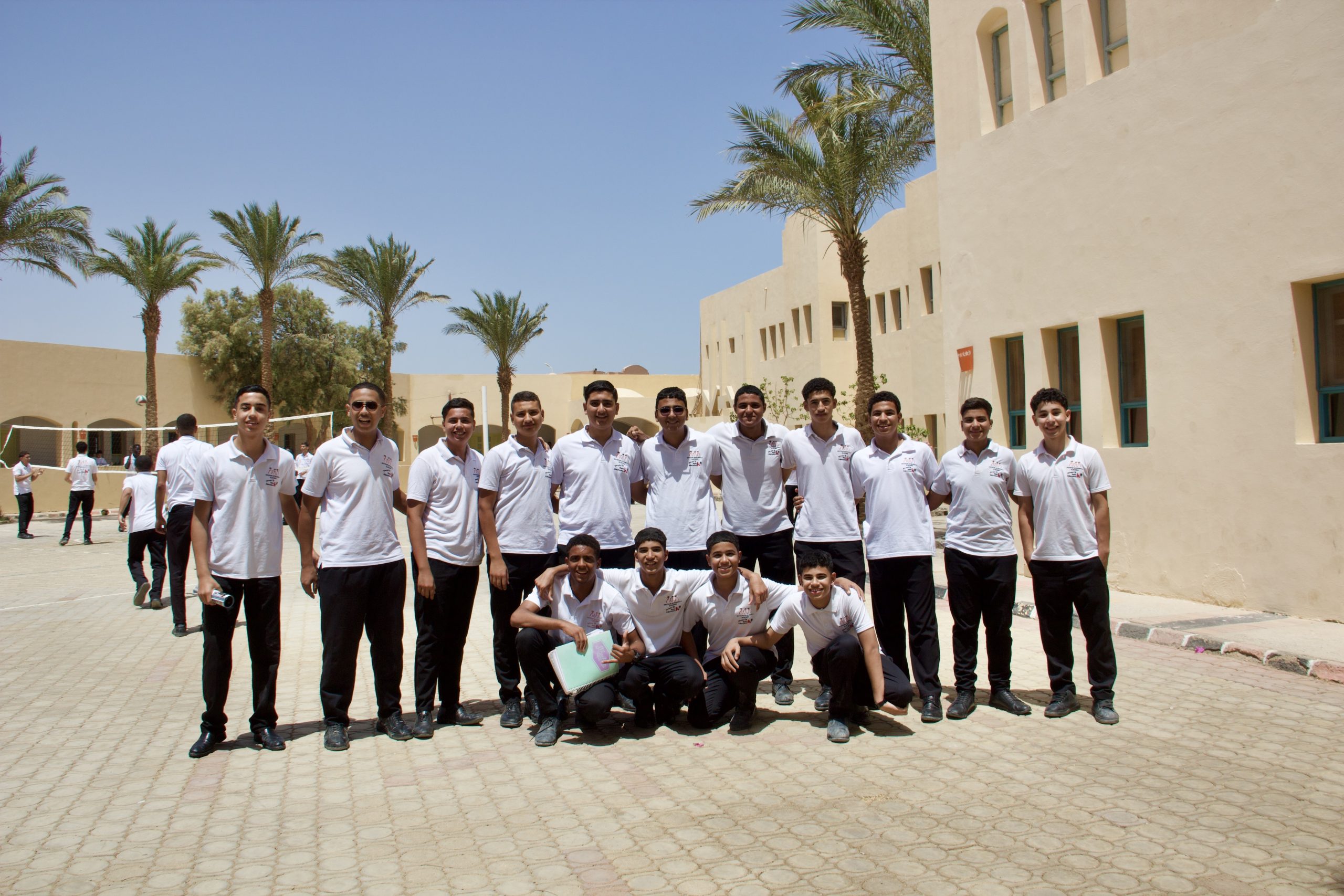
At the German Hotel School, students are trained with this reality in mind. They are prepared not only to understand these environments, but to contribute to them.
Working during Ramadan allows them to see how preparation turns into execution, and how every small detail plays a role in the final experience.
A reflection of true hospitality
By the time guests sit down and begin their Iftar, the work behind the scenes is largely invisible. What they experience is a moment of comfort—food that is ready, a space that feels welcoming, and service that flows naturally.
But behind that moment is a system built on preparation, discipline, and shared responsibility.
Ramadan brings this into focus. It shows that hospitality is not only about what is served, but how it is prepared, organized, and delivered—with consistency, awareness, and respect for the experience as a whole.
Discover more about our community and events by following us on Instagram