In Egypt, Ramadan is not only a time of reflection and community, it is also one of the most active and defining periods in the hospitality calendar. Across the country, hotels begin preparing well in advance, knowing that this season brings a unique combination of high demand and high expectations.
What makes Ramadan different is not only the number of guests, but the way those guests move, gather, and experience hospitality.
A shift in daily life
During Ramadan, the rhythm of daily life changes. Mornings and afternoons tend to be quieter, while evenings become the center of activity. The moment of Iftar transforms hotels, restaurants, and public spaces into lively environments filled with guests arriving at nearly the same time.
In destinations such as Hurghada, this shift is especially visible. As the month progresses—particularly during the final weeks and school holidays—hotels begin to welcome a noticeable increase in local families. Many travel for short stays, choosing to break their fast in a different setting, often combining Iftar with a weekend getaway.
At the same time, corporate groups organize large gatherings, and international visitors look for an authentic Ramadan experience. This mix creates a service environment that is both diverse and fast-paced.
Hospitality as a social space
More than a place to stay
During Ramadan, hotels take on a broader role. They are not only places of accommodation—they become social spaces where people gather, reconnect, and spend time together.
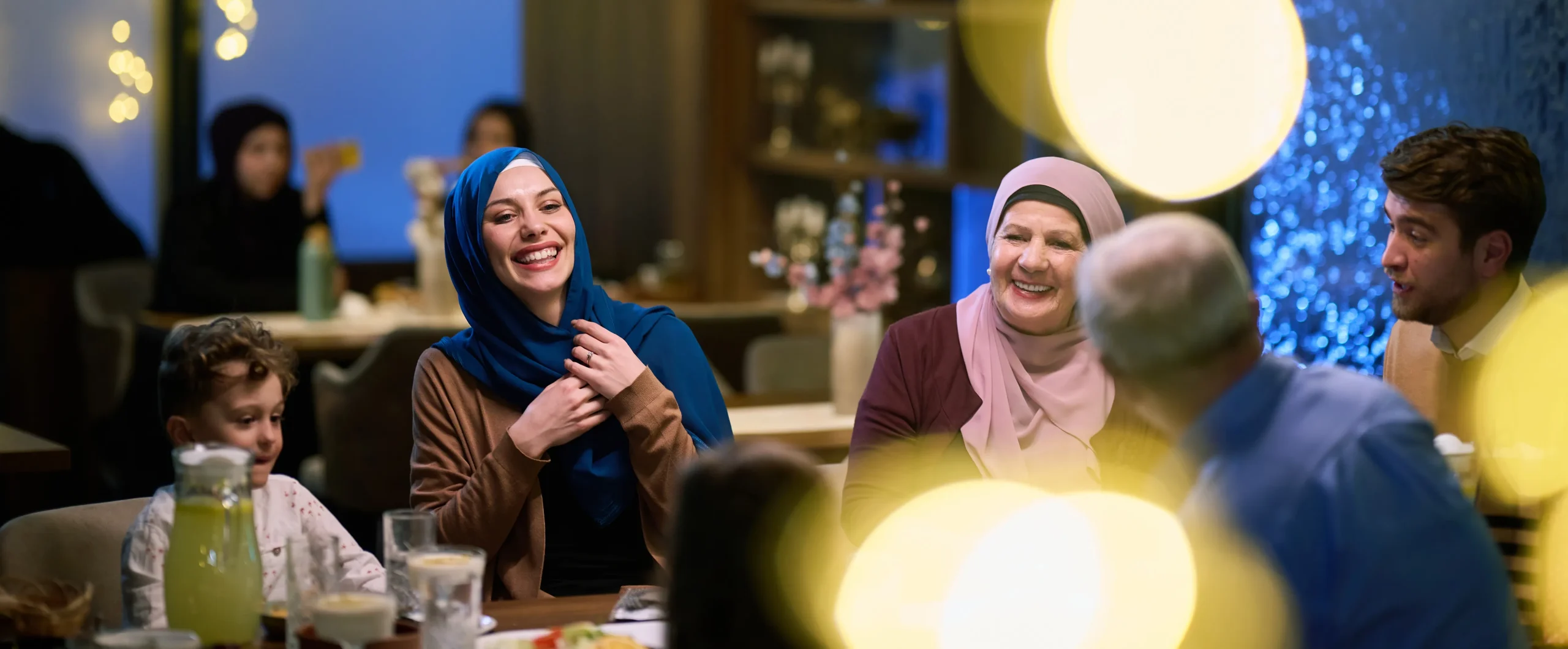
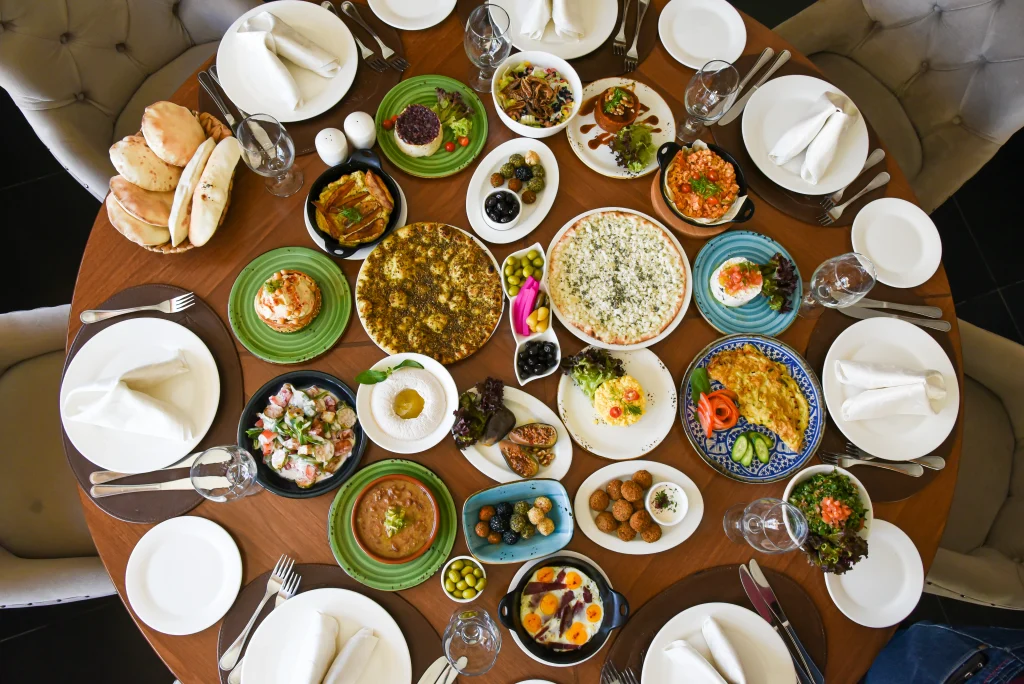
Iftar buffets are at the center of this experience. Families arrive just before sunset, often in large groups, and remain for hours after the meal. Conversations continue, desserts are shared, and the atmosphere becomes relaxed and extended.
Many hotels also offer Suhoor experiences later in the evening, along with dedicated Ramadan tents designed to host large numbers of guests. These spaces, often set outdoors with soft lighting and traditional décor, become a defining feature of the season. In cities like Hurghada, it is common to see these tents fully booked, especially on weekends.
Operating under pressure
Consistency when it matters most
While the guest experience may feel calm and welcoming, the reality behind the scenes is highly structured. Ramadan service requires precision, especially because Iftar happens at a fixed time each day.
Within a short window, hundreds of guests may arrive, expecting everything to be ready—from food presentation to seating arrangements. Kitchens must coordinate timing carefully, ensuring that every dish is fresh and available at the exact moment it is needed.
Service teams must also be prepared. They manage large volumes of guests while maintaining attention to detail, from greeting arrivals to clearing tables efficiently. Under these conditions, even small delays can affect the overall experience.
This is where training becomes visible. Strong teams rely on preparation, communication, and clear roles to maintain consistency, even during the busiest evenings.
Reflecting the spirit of the season
Hospitality with awareness
Ramadan carries values that go beyond service—generosity, respect, and a sense of community. Hotels reflect these values in the way they design their spaces and experiences.
This can be seen in:
- Traditional lanterns and soft lighting
- Menus that include familiar, comforting dishes
- A slower, more welcoming approach to service
For international guests, this is often their first introduction to Ramadan in Egypt. The experience becomes not only about food, but about understanding the culture and atmosphere of the month.
A season with lasting impact
Beyond one month
For many hotels, Ramadan is not just a temporary peak—it is an opportunity to build long-term value. Guests who have a positive experience during this period often return, either later in the year or the following Ramadan.
Strong service can lead to:
- Repeat bookings
- Positive recommendations
- A stronger reputation within the local market
In this way, the impact of Ramadan extends well beyond the month itself.
Learning in a real environment
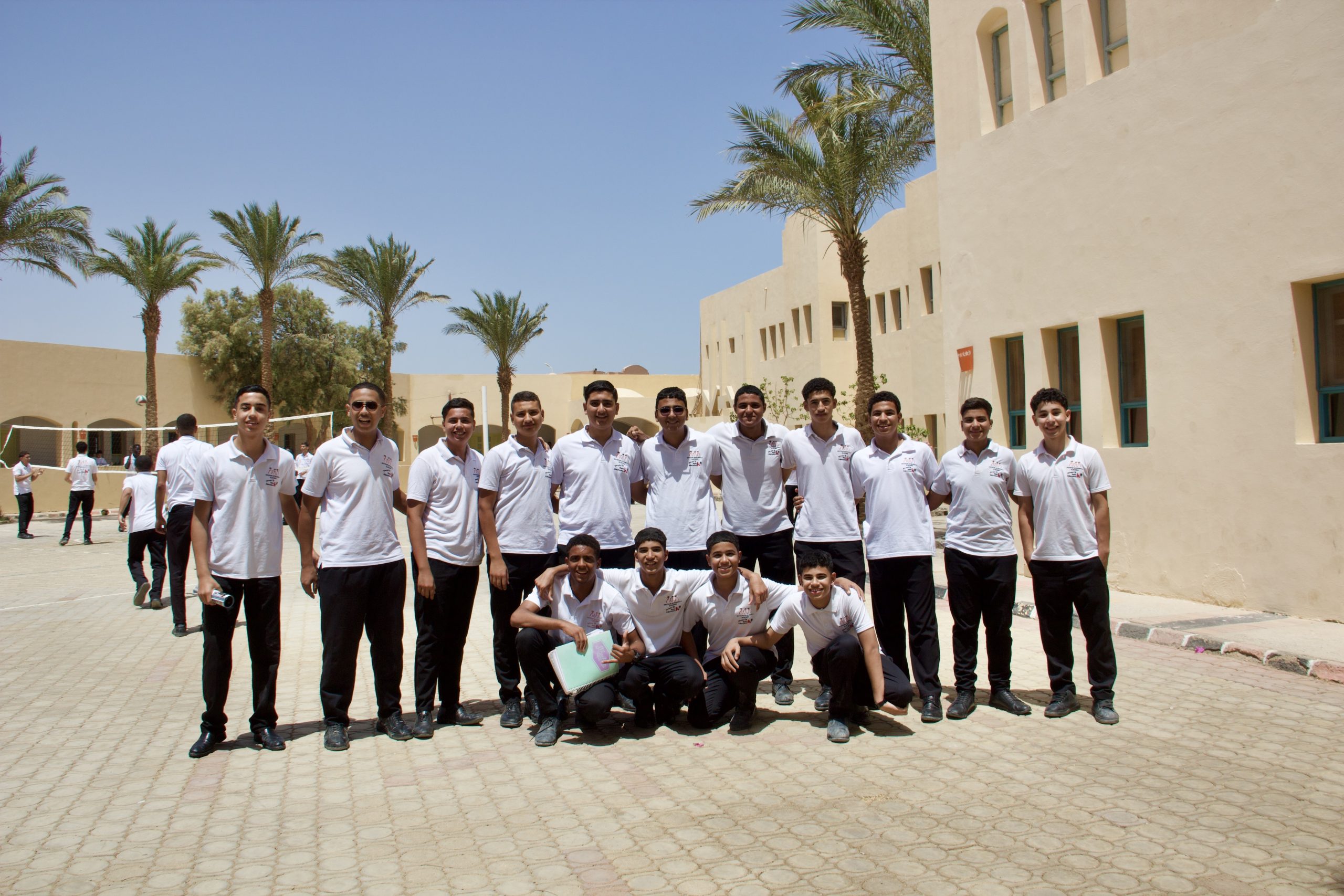
For students at the German Hotel School, Ramadan provides a clear and practical example of how hospitality operates under real conditions.
It brings together:
- Planning and execution
- Team coordination
- Guest-focused service
Students who experience this period gain insight that cannot be learned through theory alone. They see how preparation meets reality, and how teams adapt to high-demand situations.
A season that defines hospitality
Ramadan reflects the essence of hospitality in Egypt. It is a time where tradition, service, and human connection come together in a very visible way.
For hotels, it is both a challenge and an opportunity. For professionals, it is a moment to demonstrate not only skill, but awareness and adaptability.
And for guests, it becomes an experience shaped not just by what is offered, but by how it is delivered.
Discover more about our community and events by following us on Instagram