During Ramadan, the hospitality industry in Egypt experiences a significant rise in activity. Hotels, restaurants, and catering companies prepare for higher guest numbers, especially during Iftar and evening events.
This increase creates a strong demand for hospitality students who are already trained and prepared to work in professional environments.
From students to team members
In this environment, hospitality students are not treated as observers. They become part of the operation.
Students who have received proper training arrive with a level of readiness that hotels depend on. They understand how to approach guests, how to move within a service system, and how to follow the structure of a professional environment.
During Ramadan, this makes a clear difference. Instead of spending time explaining basic tasks, teams can rely on students to:
- Step into service roles with confidence
- Support buffet operations during peak moments
- Maintain standards even when the pace increases
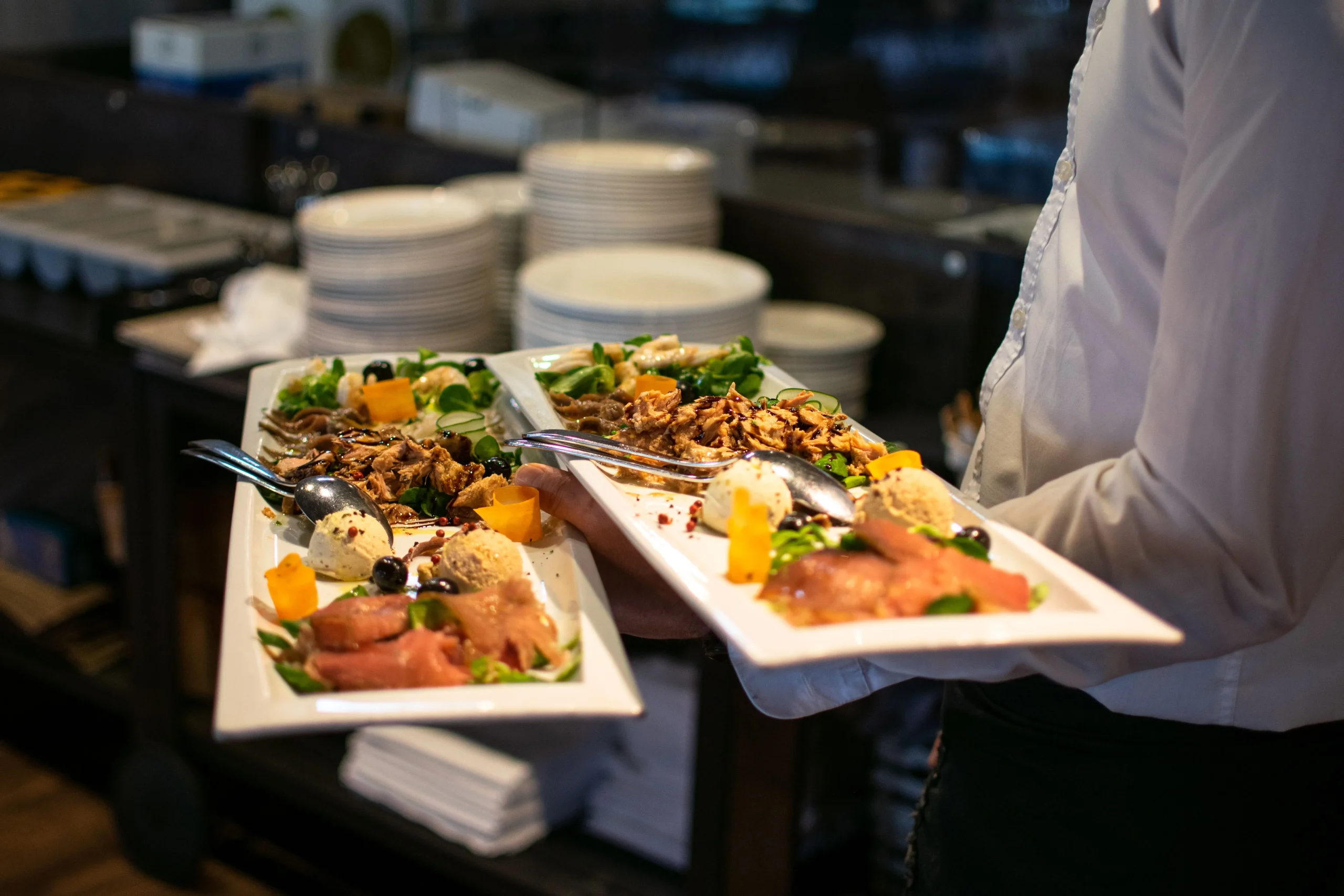
In many hotels, you will find students working alongside experienced staff during Iftar service—carrying trays, guiding guests, resetting tables—quietly contributing to an operation that must run smoothly from the first moment of sunset.
The challenge of time
What makes Ramadan particularly demanding is not only the volume of guests, but the timing.
Iftar happens at a fixed moment each day. Guests often arrive within the same 15 to 20 minutes, creating a surge that requires immediate coordination. There is no gradual buildup. Service begins at full speed.
For someone without training, this can feel overwhelming. For hospitality students, it is something they are prepared for.
They learn how to:
- Stay organized when multiple tasks happen at once
- Prioritize quickly without losing focus
- Maintain a calm and professional presence under pressure
These are not abstract skills. They are developed through practice, and Ramadan becomes the moment where they are tested in real conditions.
Learning beyond the classroom
There is also a personal side to working during Ramadan that shapes students in a different way.
Long shifts, late hours, and in many cases fasting while working, require a level of discipline that goes beyond technical ability. Students begin to understand what it means to be consistent, even when they are tired. They learn how to support their team, how to stay patient with guests, and how to maintain energy throughout the evening.
It is often during these moments—when the pace is high and the environment is demanding—that real confidence begins to develop.
Many experienced hospitality professionals will say that their strongest learning moments did not happen in quiet settings, but during peak seasons. Ramadan offers exactly that kind of environment.
A gateway into the industry
For hotels, Ramadan is not only about managing demand—it is also an opportunity to identify future talent.
Managers pay close attention to how students perform during this period. Those who show reliability, professionalism, and the ability to adapt are often remembered long after the season ends.
It is not uncommon for a student who works well during Ramadan to be offered:
- A summer position
- A part-time role
- Or even a full-time opportunity after graduation
In this way, Ramadan becomes more than a busy month. It becomes a stepping stone into the industry.
Where education meets real demand
For students at the German Hotel School, this period clearly shows how closely education is connected to the realities of hospitality.
The skills learned in training—service structure, communication, organization—are not theoretical. They are applied directly in environments where expectations are high and outcomes matter.
Students begin to see themselves not only as learners, but as contributors.
A role that carries real responsibility
During Ramadan, hospitality students are not standing on the sidelines. They are part of the system that allows hotels to function during one of the most important periods of the year.
Their presence supports teams, strengthens operations, and helps maintain the level of service that guests expect.
And in doing so, they begin to understand something essential about hospitality: that it is not only about knowledge, but about showing up, adapting, and delivering—especially when it matters most.
Discover more about our community and events by following us on Instagram